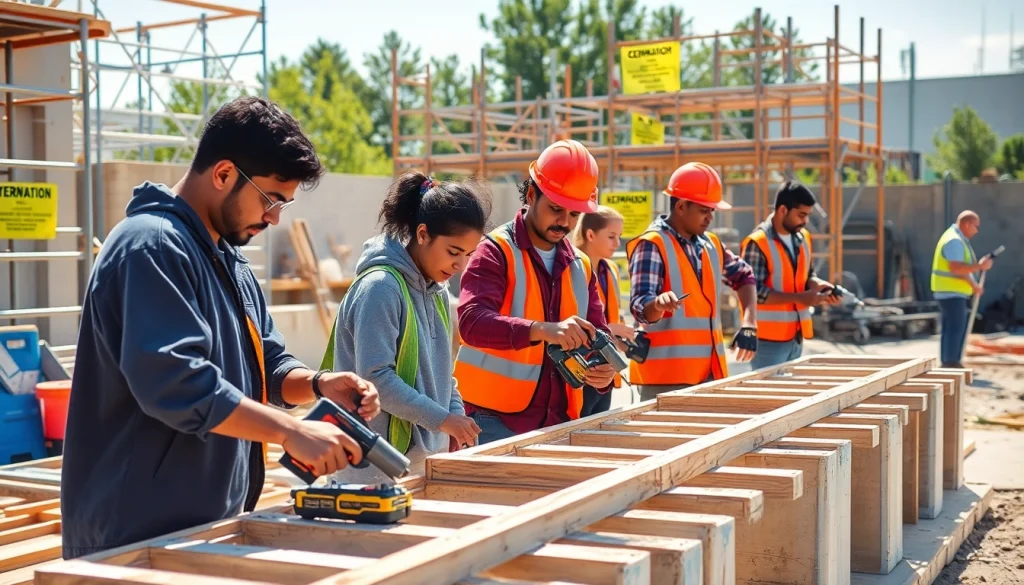
Understanding the Importance of Construction Training Programs
In the construction industry, ongoing education and training are integral to both safety and productivity. Construction training programs provide workers with the necessary skills to navigate the complexities of the modern construction landscape. By investing in proper training, companies not only ensure compliance with regulations but also enhance workforce efficiency and craftsmanship. This article delves into the multifaceted advantages of construction training programs, highlighting their importance, types, and how to integrate them into career development.
Why Training is Essential in Construction
The construction industry is constantly evolving, driven by technological advancements, regulatory changes, and new safety standards. Training is essential to keep workers updated and equipped with contemporary skills necessary for the job. Proper training minimizes the risk of accidents and injuries on-site, fostering a safer working environment. Moreover, skilled workers are less likely to encounter obstacles that could lead to costly delays or errors. By prioritizing training, companies can significantly reduce turnover rates and improve overall job satisfaction.
Key Skills Developed Through Training
Construction training programs encompass a variety of skills essential for success in the field. These are often categorized into hard and soft skills:
- Hard Skills: Proficiencies such as blueprint reading, equipment operation, and safety protocol familiarity.
- Soft Skills: Interpersonal abilities like communication, teamwork, and problem-solving capabilities, which are critical for collaboration on-site.
Training also aids in familiarizing workers with new tools and technologies, ensuring that they remain competitive and efficient in their respective roles.
Recognizing Industry Standards and Certifications
Construction training programs often lead to certifications that validate a worker’s abilities and knowledge. Recognizing industry standards, such as those from OSHA (Occupational Safety and Health Administration) or other regulatory bodies, is essential for career advancement. These certifications not only enhance credibility with employers but also boost individual confidence and employability in a competitive job market. Furthermore, they can open doors to additional opportunities and higher salary ranges, making them an attractive option for workers seeking growth.
Types of Construction Training Programs Available
Traditional Classroom-Based Training Options
For many, traditional classroom training is a familiar and effective method of learning. This type often includes lectures, presentations, and hands-on demonstrations in a controlled environment. Such programs are ideal for covering fundamental concepts and classroom discussions, enabling instructors to clarify doubts in real-time. Participants benefit from structured learning and immediate access to instructors who can share their expertise and insights.
Hands-On Workshops: Learning by Doing
Hands-on workshops provide invaluable real-world experience. Here, participants engage directly with materials and tools, applying theoretical knowledge in practical scenarios. This type of training is especially effective for skill acquisition and retention, as learners can experience real-time feedback from trainers. Workshops may cover various topics, including masonry, plumbing, and electrical work, allowing participants to specialize in areas of interest.
Online Courses: Flexibility and Accessibility
Online courses offer unparalleled flexibility, catering to those who may be balancing work, family, or other commitments. Participants can learn at their own pace and access a wealth of resources from industry experts. Many online platforms provide interactive content, forums, and assessments to ensure engagement and knowledge retention. Furthermore, online training eliminates geographical barriers, enabling learners to participate from anywhere in the world.
Finding the Right Construction Training Program
Evaluating Quality and Accreditation
When selecting a construction training program, it’s crucial to consider its quality and accreditation. Accredited programs are evaluated for their adherence to industry standards and quality benchmarks, ensuring a certain level of education is achieved. Prospective students should investigate certifications and endorsements from reputable industry organizations to validate the program’s credibility. Researching reviews and testimonies from former students can also provide insight into the effectiveness and value of the training offered.
Understanding Curriculum and Skill Focus
The curriculum of a training program should align with personal career goals and industry demands. Reviewing the course structure and assessing whether it covers essential skills relevant to specific job roles is vital. Programs should ideally incorporate current trends, technologies, and practices being adopted within the industry. Additionally, exposure to various practical scenarios can enhance readiness for employment.
Notable Instructors and Their Expertise
Expert instructors significantly add value to training programs. Their industry experience and knowledge can provide practical insights beyond textbook content. Prospective trainees should research the qualifications and backgrounds of instructors, prioritizing those who have extensive field experience coupled with teaching prowess. Learning from individuals who have successfully navigated the construction industry can inspire, motivate, and guide students effectively.
Implementing Training in Your Career Path
Steps to Enroll in a Construction Training Program
If you’re considering enhancing your career through training programs, follow these steps:
- Research Available Programs: Identify options that align with your career goals, preferred learning methods, and logistical needs.
- Prepare Your Application: Gather any required documents or prerequisites, such as transcripts or work experience certifications.
- Financial Planning: Determine the costs involved and explore financial aid or scholarship opportunities available.
- Commit to Participation: Engage fully once enrolled. Attend classes, participate actively, and seek support if needed.
Leveraging Training for Career Advancement
Proper utilization of training can drastically influence career growth. Achieving certifications can boost your resume and increase your marketability to potential employers. Additionally, joining professional associations or networks related to your training can expose you to job openings and mentorship opportunities. Pursuing further education or advanced training can also serve to elevate your position and potential earnings in the construction sector.
Networking Opportunities Through Training Programs
Training environments cultivate connections with peers and industry professionals. Networking can lead to partnerships, job leads, and collaboration opportunities. Engaging in discussions, participating in group projects, or attending events associated with training programs can significantly expand your professional network. These relationships often extend beyond educational settings, benefiting long-term career development.
Measuring the Success of Training Programs
Performance Metrics: How to Assess Effectiveness
Evaluating the success of training programs involves analyzing specific performance metrics. Key indicators to consider include:
- Knowledge Retention: Assessing participants’ ability to recall and apply training content after completion.
- Job Performance: Monitoring changes in productivity or quality of work post-training.
- Feedback Mechanisms: Utilizing surveys and assessments from participants for program improvement.
Feedback and Continuous Improvement in Training
Continuous improvement hinges on gathering and analyzing feedback from participants and stakeholders. Programs should regularly assess their curriculum, teaching methods, and overall relevance to industry standards. Incorporating learner feedback into program adjustments can enhance quality and ensure ongoing alignment with industry needs. Instructors should also engage in continued education to stay abreast of advancements and trends affecting the construction field.
Success Stories: Real-World Applications of Training
Sharing success stories from alumni or participants reinforces the value of training programs. Highlighting individuals who secured relevant jobs, initiated projects, or achieved promotions as a direct result of their training can promote the program’s effectiveness and inspire new cohorts. Such accounts not only attract new participants but also validate the significance of the educational journey within the wider community.
Frequently Asked Questions (FAQs)
What are construction training programs?
Construction training programs are educational courses designed to impart industry-specific skills and knowledge essential for safety, efficiency, and quality work in construction.
How can I find a reputable construction training program?
Research programs accredited by recognized organizations, and look for student reviews and success stories to assess the program’s quality and effectiveness.
What skills are most valuable in construction training?
Key skills include safety protocols, equipment operation, blueprint reading, and soft skills like communication and teamwork, all vital for a successful career in construction.
Are online construction training programs effective?
Yes, online construction training programs are effective, offering flexibility and access to a wide range of resources while equipping learners with necessary skills at their own pace.
How do I measure my progress in a training program?
Track progress through assessments, performance metrics, feedback from instructors, and self-reflection to identify strengths and areas for improvement throughout the program.