
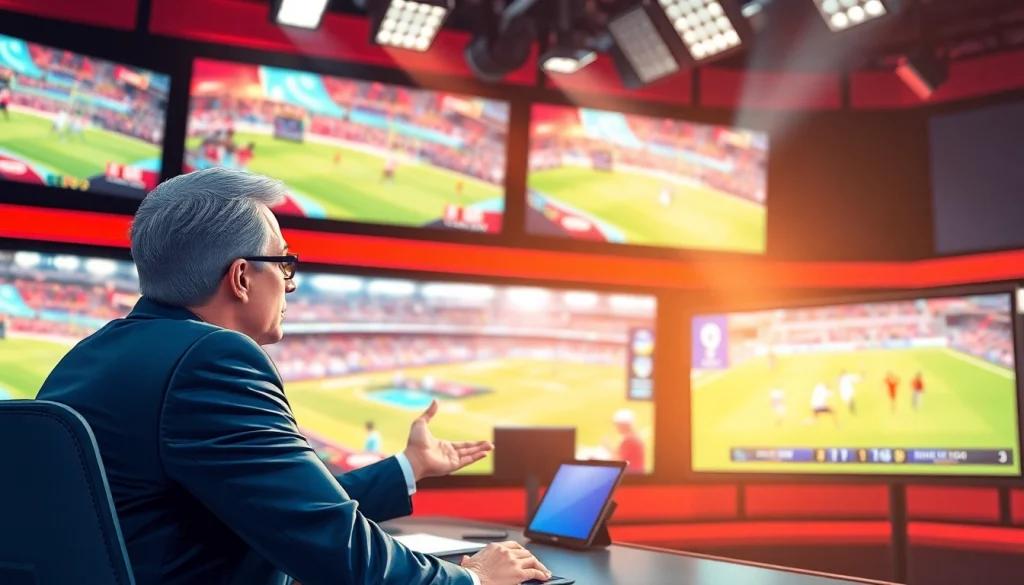
Introduction to Sports Broadcasting
Definition and Importance
Sports broadcasting serves as the vital link between fans and the sporting world. It encompasses the live coverage of sports events, including football, basketball, baseball, and more, through various media channels. This genre not only entertains viewers but also plays a crucial role in shaping public perception of the sports and its athletes. The significance of Sports Broadcasting cannot be overstated, as it influences how fans engage with their favorite teams and athletes, creates a sense of community among fans, and drives revenue in the sports industry.
Historical Overview
The roots of sports broadcasting can be traced back to the early 20th century when radio began transmitting play-by-play commentary of baseball games. The introduction of television in the 1950s transformed the landscape, enabling millions to watch live sports from the comfort of their homes. Over the decades, advancements in technology have made sports broadcasting more accessible and engaging. The introduction of cable channels, satellite TV, and digital streaming has diversified sports programming, leading to the rise of niche channels and local sports networks. This evolution has ultimately democratized sports access, empowering fans worldwide.
Current Trends in Sports Broadcasting
Today, the sports broadcasting industry is experiencing dynamic changes driven by technology and audience preferences. Streaming services have become the new frontier, with many fans opting for on-demand viewing experiences. This shift has prompted traditional broadcasters to adapt, integrating interactive features and personalized content. Moreover, social media platforms are increasingly used to promote live events and engage audiences, often blurring the lines between broadcasting and content creation. A critical trend is the rise of eSports broadcasting, which has attracted a younger demographic and created new revenue streams for the industry.
Key Elements of Successful Sports Broadcasting
Understanding Your Audience
To effectively engage in sports broadcasting, understanding the audience is paramount. This entails analyzing demographics, preferences, viewing habits, and feedback. Successful broadcasters leverage data analytics to tailor content that resonates with their viewers. This could include choosing specific games to cover, adjusting the presentation style, or creating segments based on popular demand such as behind-the-scenes access, player interviews, or statistical breakdowns. By connecting with the audience on a personal level, broadcasters can enhance viewer loyalty and increase engagement.
Effective Communication Skills
Communication is at the core of sports broadcasting. Broadcasters need to convey information clearly and concisely while maintaining an engaging narrative. This requires a deep understanding of the sport, the ability to summarize complex plays in simple terms, and an engaging delivery style that captures the viewer’s interest. Vocal tone, pacing, and the use of anecdotes can make commentary more dynamic and relatable. Moreover, fostering connections with co-presenters, analysts, and the audience through interaction enhances the overall viewing experience.
Utilizing Technology in Broadcasting
Technology is a game-changer in sports broadcasting. High-definition cameras, advanced graphics, and augmented reality tools enhance the viewing experience by providing detailed analysis and immersive content. Moreover, broadcasting teams must stay updated on the latest tools like drones for aerial footage or virtual reality to engage audiences in new ways. Social media integration for real-time updates, audience interaction, and feedback is also crucial. Efficient production workflows, including real-time editing and instant replays, contribute to a seamless broadcasting experience.
Challenges in the Sports Broadcasting Industry
Adapting to Technological Changes
The rapid pace of technological advancement presents both opportunities and challenges for sports broadcasters. Keeping up with emerging platforms, tools, and viewer expectations requires ongoing training and investment. Broadcasters must adapt their content delivery methods, whether transitioning to streaming formats or improving the interactive elements of their broadcasts. Furthermore, issues such as network overload during popular games can hinder performance, necessitating strategies to ensure seamless delivery.
Managing Viewer Expectations
With a wealth of options available to viewers, managing expectations is essential. Audiences today demand high-quality programming that is not only entertaining but also informative. Broadcasters face the challenge of balancing exciting sports coverage with insightful analysis, all while ensuring accessibility. Failure to meet these expectations can lead to viewer attrition. Conducting regular surveys and gaining feedback can help broadcasters fine-tune their offerings to meet evolving viewer interests.
Legal and Ethical Issues
Legal and ethical issues pose significant challenges in sports broadcasting. Navigating rights agreements, broadcasting regulations, and licensing deals requires thorough knowledge and compliance. Broadcasters must also consider ethical implications, especially when covering sensitive topics related to athletes’ personal lives or controversies in the sports world. Creating standards for responsible journalism is vital for maintaining credibility and trust with viewers.
Implementing Best Practices in Sports Broadcasting
Crafting Engaging Content
Content is king in sports broadcasting, making it essential to create engaging, relevant programming. Broad programming strategies might involve compelling storytelling, sophisticated analysis, and dynamic visuals that captivate the audience. Integrating fan opinions, social media interactions, and expert guest appearances can enrich the viewing experience. Consistency in the quality and scheduling of content helps build a loyal viewer base, encouraging audience commitment.
Building a Strong Brand Identity
A robust brand identity is crucial for establishing credibility and loyalty among viewers. This involves creating a recognizable logo, consistent voice, and themes that resonate with the target audience. Engaging branding efforts across all platforms—television, digital, and social—allow broadcasters to reinforce their identity. Regularly promoting brand values and engaging in community outreach can enhance relatability and trust with viewers.
Leveraging Social Media
Social media is a powerful tool for sports broadcasters, enabling real-time engagement, promotion, and audience interaction. Strategic social media use allows broadcasters to highlight key moments, share behind-the-scenes content, and facilitate discussions during games. Creating a dedicated team for social media management ensures timely posts and responses, improving audience connection. Hashtags, polls, and live streams can encourage audience participation and boost viewer loyalty.
Measuring Success in Sports Broadcasting
Key Performance Indicators
Identifying and monitoring key performance indicators (KPIs) is essential for measuring success in sports broadcasting. Metrics such as viewer ratings, audience demographics, engagement rates, and social media activity provide insights into program effectiveness. By continually evaluating these metrics, broadcasters can make informed decisions about content adjustments, promotional strategies, and audience engagement efforts. Recognizing trends within the data can also aid in anticipating future audience preferences.
Evaluating Audience Engagement
Audience engagement is a critical aspect of sports broadcasting success. This can be measured through various metrics including viewer feedback, social media interactions, and participation in polls or discussions during broadcasts. Surveys and focus groups also provide valuable insights into audience preferences and satisfaction. By fostering active engagement, broadcasters not only enhance viewer loyalty but also attract new audiences through word-of-mouth and community involvement.
Future of Sports Broadcasting
The future of sports broadcasting promises continued innovation propelled by technology. The growth of virtual and augmented reality, artificial intelligence advances, and personalized content will reshape how audiences experience sports. Furthermore, as viewers increasingly favor on-demand content, broadcasters will need to continue evolving their strategies to meet these expectations. Establishing strong partnerships with technology providers and staying attuned to industry trends will be essential for remaining competitive in this dynamic market.
FAQs
What is sports broadcasting?
Sports broadcasting refers to the live coverage and commentary of sports events across various media platforms, providing fans direct access to their favorite sports.
How has technology changed sports broadcasting?
Technology has revolutionized sports broadcasting by introducing high-definition visuals, interactive content, and streaming services, enhancing audience engagement and experience.
What are key metrics for measuring success in sports broadcasting?
Key metrics include viewer ratings, audience engagement rates, social media interactions, and feedback, which help in evaluating the effectiveness of broadcasts.
How can sports broadcasters engage their audience effectively?
Effective audience engagement can be achieved through compelling storytelling, social media interaction, behind-the-scenes content, and consistent programming.
What challenges do sports broadcasters face today?
Challenges include adapting to rapid technological changes, managing viewer expectations, navigating legal issues, and maintaining audience engagement amid growing competition.