Understanding WhatsApp Smart CRM
What is WhatsApp Smart CRM?
In the current digital landscape, effective communication and customer engagement are paramount. WhatsApp Smart CRM emerges as an innovative solution that blends the benefits of customer relationship management with the ubiquitous communication platform of WhatsApp. Essentially, it allows businesses to manage customer interactions efficiently while leveraging the powerful messaging capabilities of WhatsApp. This combination provides a seamless experience for both businesses and customers, facilitating timely responses, personalized communication, and enhanced service delivery.
Core Features of WhatsApp Smart CRM
The strengths of WhatsApp Smart CRM lie in its robust feature set tailored to boost business efficiency and customer satisfaction. Some of the key features include:
- Automated Messaging: Users can create automated messaging workflows that respond to customer inquiries, lead contacts, and follow-ups without human intervention, improving response times and engagement.
- Lead Management: The system enables tracking and managing sales leads through every stage of the sales funnel. Alerts and reminders aid users in nurturing leads until conversion.
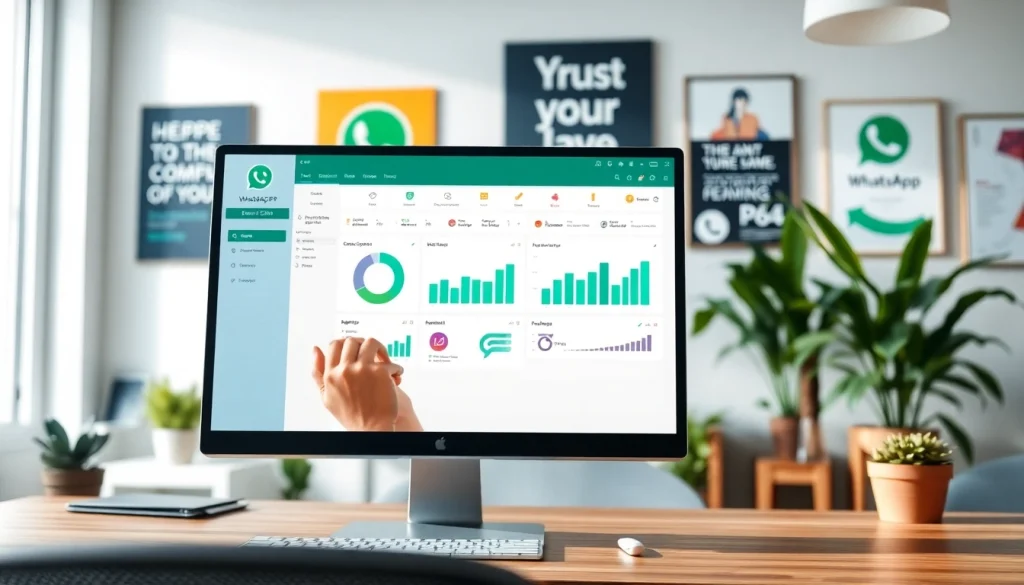
- Integrated Analytics: Built-in analytics tools provide insights into customer behavior, engagement metrics, and campaign performance, enabling data-driven decision-making.
- Customizable Templates: Businesses can create branded templates for frequent responses, saving time while ensuring consistent messaging.
- Multi-Agent Support: The CRM can support multiple agents allowing for collaborative responses, ensuring quick resolutions to customer queries.
Benefits for Businesses Using WhatsApp Smart CRM
Implementing WhatsApp Smart CRM offers a multitude of benefits for businesses across various sectors:
- Streamlined Communication: By centralizing customer communications, businesses can ensure that messages are not missed, fostering a more professional image.
- Enhanced Customer Experience: Quick and efficient responses significantly elevate customer satisfaction, as they feel valued and attended to promptly.
- Increased Sales Potential: With effective lead nurturing and automated follow-ups, the likelihood of conversions increases, directly impacting revenue.
- Cost-Effective Solution: Utilizing WhatsApp, a widely used platform, minimizes communication costs while expanding outreach.
- Data-Driven Insights: Analytical features help businesses understand trends, customer preferences, and the success rates of different campaigns, aiding future strategies.
Integrating WhatsApp Smart CRM into Your Business
Steps to Implement WhatsApp Smart CRM
Successfully integrating WhatsApp Smart CRM into a business requires careful planning and execution. Here are the key steps to follow:
- Assessment of Needs: Evaluate the specific needs of your business that the CRM can fulfill. Identify pain points in customer communication and engagement that require resolution.
- Vendor Selection: While numerous platforms provide WhatsApp integration, choose one that aligns with your business goals, budget, and technical capabilities.
- Custom Configuration: Tailor the CRM to fit your operational workflows. This may include setting up automation rules, crafting templates, and structuring lead management features.
- Training Staff: Invest time in training your team on how to use the platform efficiently. Familiarity with the features ensures they utilize the tool to its full potential.
- Launch and Monitor: Initiate the usage of the CRM, monitor its performance closely, and gather feedback from both staff and customers to optimize its use further.
Common Challenges During Integration
Integrating WhatsApp Smart CRM may pose a few challenges that businesses need to prepare for:
- Resistance to Change: Employees may be hesitant to adapt to new systems. Offering proper training can help mitigate this issue.
- Technical Hurdles: Integration with existing systems can lead to technical issues. Working closely with the vendor to address any complications is essential.
- Data Management: Importing existing customer data into the new CRM can be complex. Careful data cleansing and successful migration strategies are crucial.
Best Practices for Seamless Adoption
To ensure a smooth transition to WhatsApp Smart CRM, consider implementing the following best practices:
- Phased Rollout: Introduce the platform gradually, allowing staff to acclimatize and providing necessary updates based on their experiences.
- Continuous Training: Regular training sessions and refresher courses can help sustain proficiency in using the CRM.
- Feedback Mechanism: Establish a specific channel for collecting user feedback regarding the CRM’s functionalities, allowing for ongoing improvement.
Maximizing Customer Engagement with WhatsApp Smart CRM
Strategies for Effective Customer Communication
Utilizing WhatsApp Smart CRM effectively means implementing strategies that enhance customer communication:
- Personalized Messaging: Customizing messages based on customer data and preferences helps to create a more engaging and tailored experience for customers.
- Proactive Communication: Reach out to customers before they initiate contact, such as sending reminders for appointments or updates on services.
- Interactive Engagement: Use features like quick replies, media sharing, and personalized stickers that resonate well with users to make interactions lively and engaging.
Utilizing Automation in WhatsApp Smart CRM
Automation plays a crucial role in enhancing efficiency and ensuring that customers receive timely responses:
- Chatbots for Instant Replies: Implementing chatbots that can handle frequently asked questions reduces response times and frees up agents for more complex inquiries.
- Follow-Up Reminders: Automated reminders for follow-ups can ensure that no lead or customer request is overlooked, thereby improving conversion opportunities.
- Campaign Automation: Automate different stages of marketing campaigns, from initial contact to follow-up, to enhance engagement and track performance.
Measuring Customer Engagement Success
To ascertain the effectiveness of your WhatsApp Smart CRM in enhancing customer engagement, monitoring performance metrics is vital:
- Response Time Analysis: Track the average time it takes to respond to customer messages. Reducing this metric can significantly enhance customer satisfaction.
- Customer Satisfaction Surveys: Implement surveys post-interaction to gauge customer satisfaction levels and identify areas for improvement.
- Engagement Metrics: Monitor engagement rates based on interactions, feedback, and the conversion rates of leads contacted via WhatsApp Smart CRM.
Advanced Capabilities of WhatsApp Smart CRM
Leveraging AI for Enhanced User Experience
Artificial intelligence is reshaping customer relationship management by introducing capabilities that cater to customer needs more efficiently:
- Predictive Analytics: AI algorithms can analyze past customer behavior to predict future actions, helping businesses tailor their approaches and workflows.
- Sentiment Analysis: Identifying customer sentiment through message analysis helps businesses gauge overall satisfaction and identify at-risk customers more proactively.
- Personalization at Scale: AI can automate the delivery of personalized messages and recommendations based on user behavior, improving engagement.
Customizing WhatsApp Smart CRM for Specific Industries
Different industries can benefit from customizing WhatsApp Smart CRM to meet their unique needs:
- Retail: In the retail sector, businesses can use WhatsApp Smart CRM to send order confirmations, updates, and promotional offers directly to customers.
- Healthcare: Healthcare providers can personalize reminders for appointments, medication schedules, and provide instant patient support through the platform.
- Real Estate: Use the CRM to manage inquiries, automate property updates and fulfill appointments between potential buyers and agents.
Integrating Third-Party Tools with WhatsApp Smart CRM
The versatility of WhatsApp Smart CRM allows it to engage with various third-party applications to enhance features:
- Marketing Automation Tools: Integrate your CRM with marketing platforms for an efficient lead flow and targeted campaigns based on customer data.
- E-commerce Platforms: Sync with e-commerce systems to streamline order management, customer inquiries, and sales processes.
- Analytics and Reporting Tools: Enhance data insights through integration with advanced analytics tools for better performance tracking.
The Future of Customer Relationship Management with WhatsApp Smart CRM
Trends Shaping the CRM Landscape
The CRM landscape is continuously evolving, with several trends expected to shape the future, including:
- Increased Personalization: Companies will increasingly focus on building personalized experiences, relying heavily on customer data to target campaigns effectively.
- Omnichannel Support: Providing a seamless customer experience across multiple channels will continue to be a priority, enhancing engagement and satisfaction.
- AI Integration: The incorporation of AI-driven features for better insights and automation will be a key area of growth, enhancing overall responsiveness.
Anticipated Developments in WhatsApp Smart CRM
As technology advances, we can expect WhatsApp Smart CRM to evolve. Some anticipated developments include:
- Greater Integration Capabilities: Enhanced interoperability with various platforms and tools will improve user experience and functionality.
- Enhanced Data Security Features: As data privacy concerns intensify, tools will implement stricter security protocols to protect sensitive customer information.
- Improved AI & Automation Functions: Continued advancements in AI will lead to more sophisticated automation options, providing deeper insights and refined interactions.
Preparing Your Business for Future Enhancements
Adapting to advancements in WhatsApp Smart CRM requires preparation:
- Maintain Flexibility: Ensure that your processes can adapt to new features and changes quickly without causing disruptions.
- Invest in Continuous Learning: Equip your team with learning opportunities to keep pace with evolving CRM technologies and trends.
- Regularly Evaluate Performance: Establish a routine for monitoring the CRM’s impact on your business, adapting as necessary to enhance customer engagement and business outcomes.