
Understanding Ride On Toys
What are Ride On Toys?
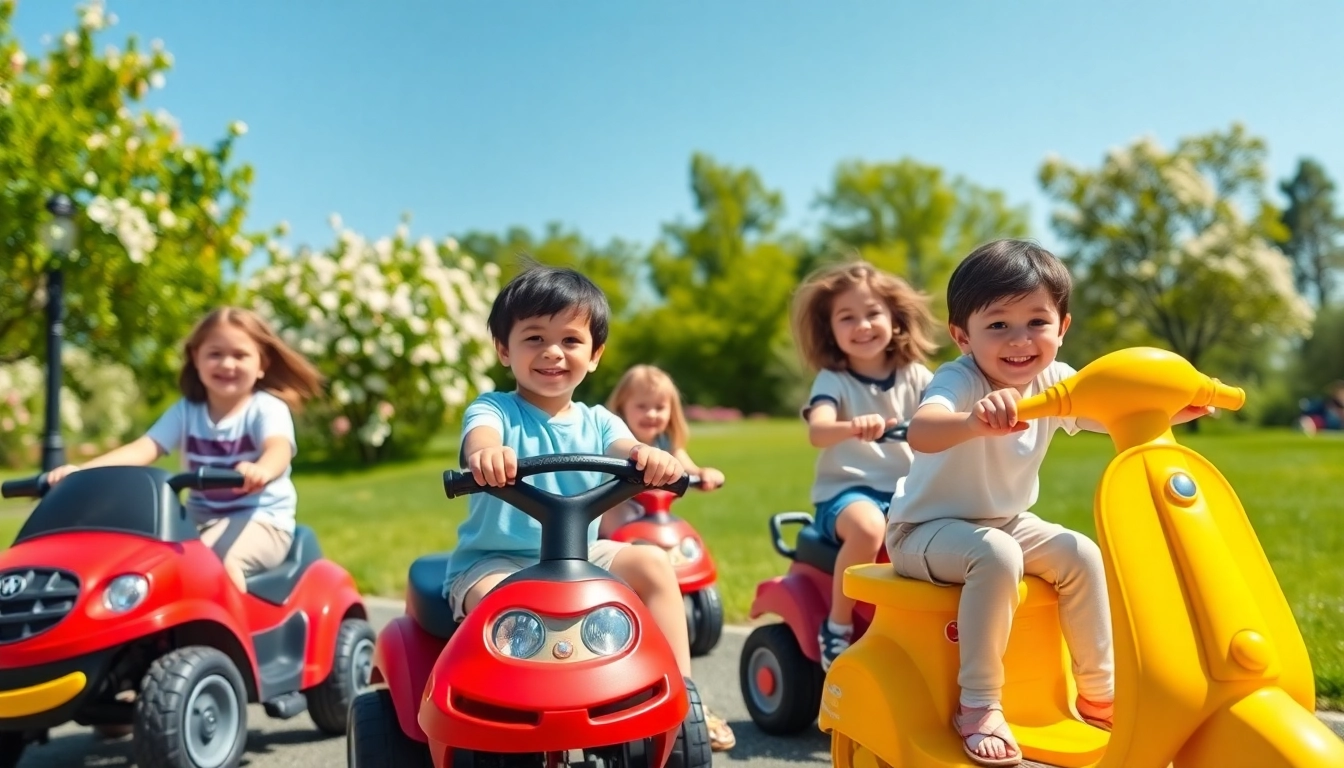
Ride on toys are a category of children’s toys that allow kids to sit and propel themselves, typically through pushing or by using a battery-powered mechanism. These toys range from classic models like wooden push-along cars to modern electric vehicles equipped with features such as steering, lights, and sound effects. They provide an engaging way for children to explore their surroundings, experience movement, and have fun while enhancing their gross motor skills. If you’re interested in exploring a variety of ride on toys, there are plenty of options suited for different ages and preferences.
Age Groups for Ride On Toys
Choosing the right ride on toy depends significantly on the child’s age and developmental stage. Generally, ride on toys cater to age groups ranging from infants to children aged 12 years. Here’s a basic breakdown:
- Infants (under 1 year): Soft, plush ride on toys or push toys that encourage standing and walking.
- Toddlers (1-3 years): Simple designs that promote motor skills and balance, such as small scooters or pedal cars.
- Preschool (3-5 years): Electric ride on toys, bicycles, and tricycles that allow for more independence and mobility.
- Older Children (5-12 years): More advanced vehicles like electric cars, go-karts, or quad bikes.
Benefits of Riding Toys for Children
Ride on toys offer various developmental benefits, including:
- Physical Development: Riding promotes balance, coordination, and strength, making it an essential aspect of physical development.
- Cognitive Skills: Kids learn cause-and-effect relationships through operating their toys, enhancing problem-solving capabilities.
- Social Interaction: When children play together, they develop social skills such as sharing, cooperation, and turn-taking.
- Imaginative Play: Ride on toys encourage creative storytelling and role-play, allowing children to express themselves.
Types of Ride On Toys Available
Traditional vs. Electric Ride On Toys
There are two primary categories of ride on toys: traditional and electric. Traditional ride on toys include wooden push toys and simple pedal cars which require physical effort from the child. These models often foster imaginative play and physical exertion. Electric ride on toys, on the other hand, are battery-operated vehicles that can go faster and include additional features like lights and sounds. Both types provide unique benefits and can cater to different preferences and play styles. For adventurous children, electric models can offer a thrilling experience, whereas traditional toys promote active play.
Single-Seat versus Multi-Seat Ride On Toys
Single-seat ride on toys are designed for individual use, making them ideal for younger children who may prefer playing alone. They encourage independent play and help children develop self-esteem as they learn to maneuver the toy on their own. Multi-seat or tandem ride on toys allow for more interactive play among siblings or friends, fostering social skills. Parents may find it beneficial to choose based on family dynamics and how often children play together.
Unique Features of Modern Ride On Toys
Today’s ride on toys come equipped with a range of features designed to enhance safety, enjoyment, and functionality. These may include:
- Remote Control: Some electric ride ons are equipped with remote controls, allowing parents to navigate for younger children.
- Adjustable Seats: Many models feature adjustable seating to accommodate growing children.
- LED Lights and Sounds: Enhanced lights and sound effects provide an immersive experience.
- Speed Settings: Newer ride on toys often feature multiple speed settings, allowing for tailored experiences based on the child’s skill level.
Choosing the Right Ride On Toy
Factors to Consider Before Purchase
When selecting a ride on toy, several considerations come into play:
- Age Appropriateness: Ensure that the toy matches the child’s age to guarantee safety and usability.
- Safety Features: Look for features such as seat belts, secure steering, and stability designs.
- Size and Weight Limit: Check the specifications to ensure the toy is suitable for the child’s size and can support their weight.
- Indoor vs. Outdoor Use: Determine if the toy is designed for indoor use, outdoor terrain, or both.
Safety Features in Ride On Toys
Safety should always be a priority when choosing any toy. Look for ride ons that include:
- Safety Straps: Essential for keeping younger children securely in their seat.
- Stable Base: A wider wheel base helps to prevent tipping.
- Speed Limits: Many electric models have built-in speed controls to ensure safe operation.
Budgeting for Ride On Toys
Ride on toys are available at various price points, so it’s important to establish a budget. While lower-priced options may be appealing, investing in quality toys that last will save money in the long run. Factors affecting cost include the material, features, and whether it is electric. Decide on what features are essential and what can be compromised when on a budget.
Maintenance Tips for Ride On Toys
Cleaning and Care for Ride On Toys
Regular maintenance is crucial for the longevity of ride on toys. Cleaning should be done periodically to remove dirt and grime. Use mild soap and water, avoiding harsh chemicals that could damage paint or plastic. For electric models, ensure that electronic components are also kept dry and clean.
Regular Inspections and Repairs
Conducting regular checks on the toy’s components for wear and tear can prevent accidents. Inspect wheels, brakes, and battery connections in electric models. If any part shows signs of damage, consider replacing it promptly. Ensuring the toy is in good condition keeps children safe during play.
Extending the Life of Ride On Toys
To prolong the life of ride on toys, store them in a dry place to prevent rust or damage from moisture. If the toy is not going to be used for an extended period, consider detaching batteries to avoid corrosion.
FAQs About Ride On Toys
What age group is best suited for ride on toys?
Ride on toys vary in design for different ages, generally suited for children aged 1 to 12. It’s essential to choose based on the child’s age to ensure safety and enjoyment.
How can I ensure my child’s safety while using ride on toys?
Always supervise playtime, ensure the toy is age-appropriate, and check for safety features like seat belts and brakes. Regular maintenance also enhances safety.
Are electric ride on toys worth the investment?
Electric ride on toys can provide extended playtime and functionality, making them a worthwhile investment. Their additional features often lead to more engaging experiences for children.
What features should I look for when buying ride on toys?
Look for safety features such as seat belts, stability designs, speed limits, and age appropriateness. Additional features like remote control and sound effects enhance play value.
How can I encourage my child to play actively with ride on toys?
Encourage structured play by joining them for rides, setting up obstacle courses, or organizing playdates. Engaging with them will increase their interest and activity level.