Understanding the Austin Construction Landscape
Current Trends in Austin construction
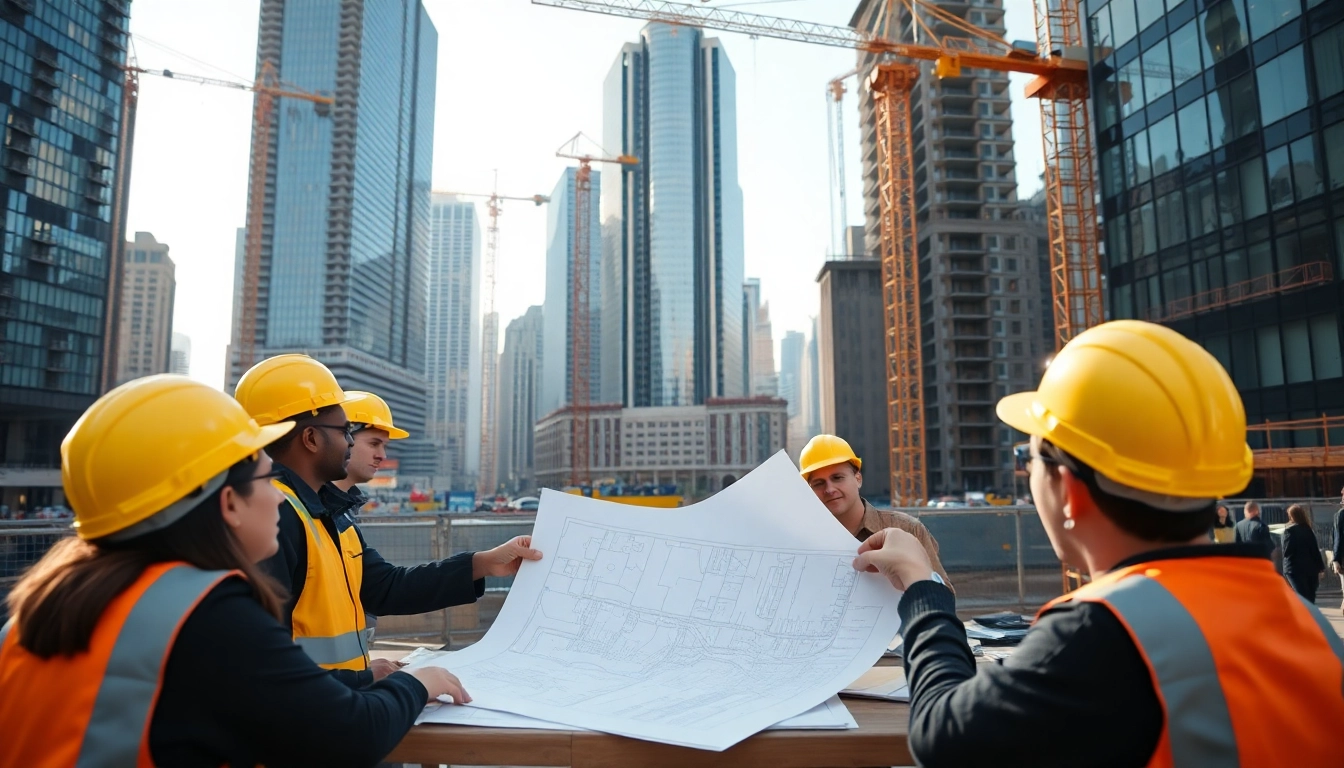
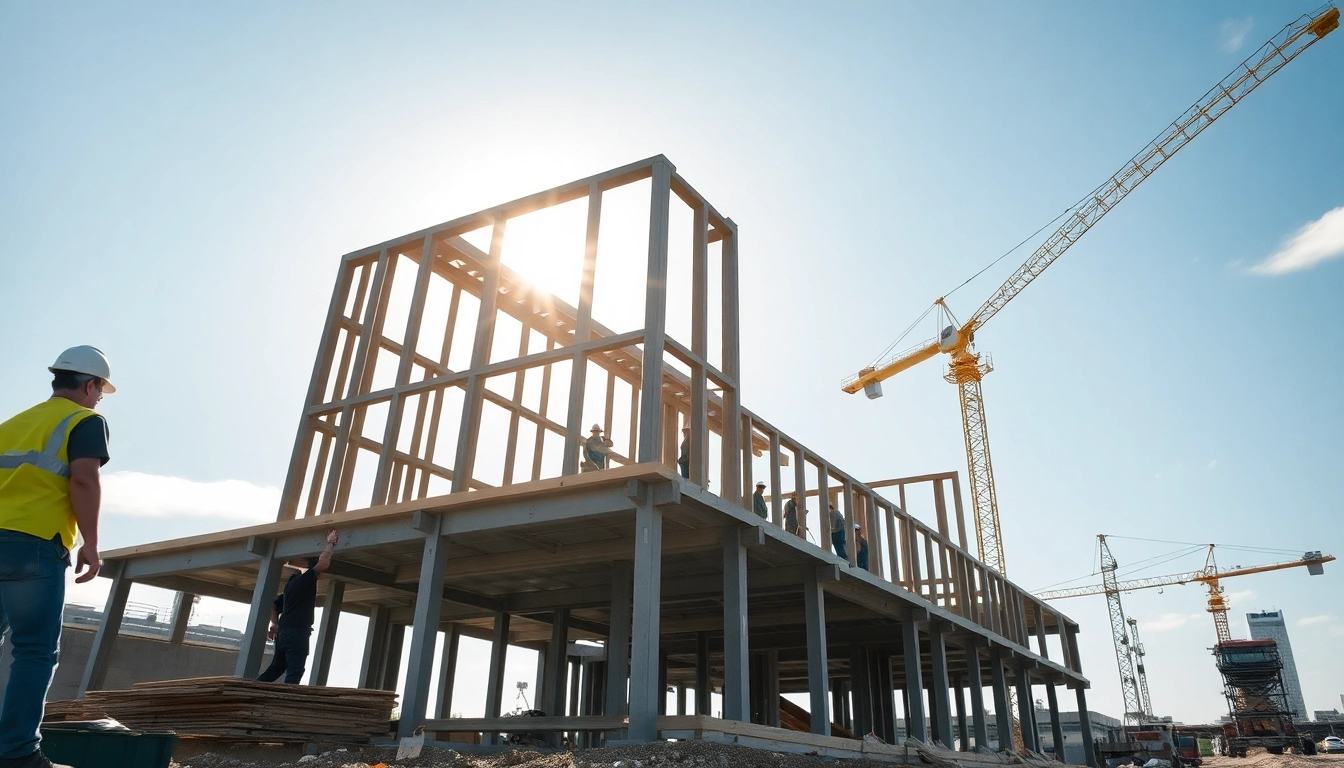
Austin, renowned for its vibrant tech scene and cultural diversity, is experiencing a significant construction boom. The Austin construction sector is adapting rapidly to meet both residential and commercial demands. A noticeable trend is the rise in multi-family housing projects. As urbanization escalates, architects and builders are focusing on sustainable design principles, integrating eco-friendly materials to reduce the carbon footprint of new developments.
Additionally, the demand for mixed-use developments that combine residential, commercial, and recreational spaces is increasing. This trend is a response to creating community-centric environments that promote an active urban lifestyle. The city’s regulatory frameworks are also evolving to support higher-density developments, allowing builders to maximize land-use efficiency while contributing to the urban fabric.
Smart technology integration is another emerging trend within the Austin construction landscape. Builders are prioritizing smart home features and energy-efficient technologies. With a focus on livability and connectivity, smart buildings are designed to enhance the end-user experience, reflecting a growing consumer preference for innovation and convenience.
Key Challenges Facing Builders
Despite the momentum, the Austin construction industry grapples with various challenges. Notably, labor shortages are a significant hurdle. The booming demand for construction projects has outpaced the available skilled workforce, leading to increased labor costs and project delays.
Furthermore, rising material costs pose another challenge. Inflation and supply chain disruptions have made essential materials less accessible and more expensive. This situation compels builders to be more strategic in their procurement methods, often requiring them to source alternatives or negotiate long-term contracts to stabilize costs.
Zoning laws and increasing regulations are additional challenges. Navigating the complex legal landscape can be overwhelming for developers and small contractors, potentially leading to project stalling or increased expenses. Awareness and understanding of local regulations are essential to ensure compliance and smooth project execution.
Regulatory Environment Impacting Construction
The regulatory environment in Austin significantly affects the construction industry. Local government policies, zoning ordinances, and safety codes dictate not only how and where construction can occur but also the design standards that must be met. Ensuring compliance with these regulations is crucial for the success of construction projects.
For instance, the City of Austin has implemented the Imagine Austin Comprehensive Plan, which focuses on sustainable urban planning. This plan emphasizes diverse housing options and sustainability, shaping how new developments are designed and approved. Builders must navigate these frameworks, often engaging in public consultation processes to align projects with community goals.
Permitting processes can also be lengthy, potentially delaying project timelines. Builders must allow ample time for approvals and inspections, which can be cumbersome in a rapidly evolving city. Therefore, effective communication and cooperation with city agencies are critical for timely project delivery.
Best Practices for Austin Construction Projects
Planning and Design Considerations
Successful construction projects in Austin begin with comprehensive planning and design. It is crucial for builders and architects to collaborate early in the process to establish a solid foundation. Conducting thorough site analysis and understanding the environmental factors can inform better design decisions.
Integrating stakeholder feedback during the planning phase is essential. Engaging with the community helps to address concerns, understand local culture, and enhance public acceptance of new projects. This participatory approach leads to better-tailored solutions and fosters positive relationships between builders and the community.
Moreover, emphasizing flexibility in design allows for adaptation to future needs, which is becoming increasingly important in Austin's dynamic market. By prioritizing multifunctional spaces, builders can cater to various uses, extending the longevity and utility of the structures being constructed.
Innovative Materials in Austin construction
Austin's construction industry is also embracing innovative materials that promote sustainability and efficiency. Using recycled and renewable materials not only reduces environmental impact but can also enhance the aesthetic appeal of buildings.
For instance, builders are experimenting with reclaimed wood, recycled steel, and bamboo. These materials can reduce the carbon footprint significantly while providing durability. Sustainable concrete alternatives, such as those incorporating fly ash or other industrial byproducts, are also gaining traction.
Furthermore, advanced insulation materials can improve energy efficiency, making buildings more sustainable and cost-effective in the long run. By investing in innovative materials, builders can align with Austin’s commitment to environmental sustainability and attract eco-conscious clients.
Sustainability Practices for Local Development
Sustainability practices are central to the construction ethos in Austin. Builders are increasingly focused on incorporating energy-efficient systems, water conservation techniques, and sustainable landscaping into their projects. These practices not only appeal to environmentally conscious consumers but also adhere to local regulations that promote sustainability.
Incorporating green roofs, rainwater harvesting systems, and efficient HVAC systems can minimize resource consumption and enhance a building's environmental performance. Developers are also investing in renewable energy solutions, including solar panels, to meet energy needs sustainably.
Moreover, sustainable practices extend beyond individual buildings. Planning for walkability, green spaces, and integrated transit options can contribute to a healthier urban environment. Developers are encouraged to think holistically about their impact on the community and the environment, emphasizing a model of development that is both responsible and forward-thinking.
Technological Advances in Austin Construction
Building Information Modeling (BIM)
Building Information Modeling (BIM) has revolutionized construction practices in Austin. This advanced technology allows for creating digital representations of physical and functional characteristics of buildings. As a collaborative tool, BIM enables architects, engineers, and builders to work together seamlessly throughout the project lifecycle.
Moreover, BIM aids in visualizing complex designs and detecting conflicts before construction begins. This proactive approach reduces errors, saves time, and minimizes costly rework. Implementing BIM is particularly beneficial for large-scale projects, where the integration of various disciplines is crucial for success.
In Austin, the adoption of BIM is growing, particularly among larger firms eager to remain competitive. Education and training programs are essential for ensuring that professionals are well-versed in BIM technologies, enhancing the overall capabilities of the local construction workforce.
Construction Automation and Robotics
Construction automation and robotics are becoming increasingly relevant in Austin's construction landscape. Automated machinery and robotics streamline labor-intensive tasks, reducing the reliance on manual labor and ensuring consistency in quality. From 3D printing components to robotic arms for bricklaying, these innovations enhance efficiency.
Moreover, construction automation helps tackle labor shortages by performing repetitive tasks, allowing skilled workers to focus on more complex activities. Consequently, the integration of these technologies not only boosts productivity but also improves workplace safety by reducing the risk of accidents.
As the construction industry in Austin evolves, investments in automation and robotics are expected to grow, paving the way for smarter and safer construction practices.
Smart Building Technologies
The incorporation of smart building technologies in Austin construction is reshaping the way buildings are designed and operated. These technologies incorporate IoT devices that allow for monitoring and controlling various building systems, from lighting to HVAC to security.
Smart buildings enhance energy efficiency through real-time data analysis, enabling optimized performance and reduced operating costs. For instance, lighting systems that adjust based on natural light levels help minimize energy consumption while maximizing comfort.
Furthermore, smart technologies improve the overall user experience, offering conveniences such as mobile control over building systems and enhanced safety features. As consumers increasingly demand technologically advanced living and working spaces, builders in Austin must stay abreast of these trends to remain competitive.
Evaluating Performance Metrics
Cost Management in Austin construction
Effective cost management is essential for success in Austin construction. Construction projects often operate on tight budgets, and diligent management of resources can mean the difference between success and failure. Builders should implement rigorous budgeting processes, tracking expenses against the original estimates and adjusting as necessary.
A crucial element of cost management is forecasting. Using historical data and project management tools enables builders to anticipate potential costs and allocate resources effectively, ensuring that projects remain within budget.
Moreover, regular financial audits can help monitor spending habits and identify areas for cost savings. Engaging stakeholders in financial discussions fosters transparency and encourages collaborative approaches to budget management, ultimately promoting a culture of accountability.
Project Timeline and Milestone Tracking
Managing timelines and milestones is critical in Austin construction to ensure projects are delivered on schedule. Establishing a clear timeline with defined phases allows for better resource allocation and scheduling. Gantt charts and project management software can assist builders in visualizing project timelines and identifying potential bottlenecks.
Regular progress meetings and updates keep stakeholders informed and engaged, enabling swift decision-making to address any delays. Project managers should set realistic milestones, ensuring they are achievable yet ambitious enough to maintain momentum.
By developing a culture of accountability and communication, builders can significantly improve their project management efforts and adapt flexibly to changing circumstances, ultimately delivering successful outcomes.
Quality Assurance Metrics
Focusing on quality assurance metrics is vital to ensuring that construction projects meet industry standards and customer expectations. Quality assurance outlines processes and measures that ensure construction outputs satisfy established requirements.
Quality control checks throughout different construction phases can identify possible defects early, allowing for timely rectification. Builders should establish specific performance indicators, such as on-time completion rates, defect rates, and client satisfaction scores.
Additionally, fostering a culture of continuous improvement is crucial. Regular staff training on best practices and innovative techniques can enhance workforce competency, leading to superior quality overall. By prioritizing quality assurance, builders can minimize risks and enhance their reputation in the competitive Austin construction market.
Frequently Asked Questions About Austin Construction
What are the key trends in Austin construction?
The key trends include multi-family housing projects, mixed-use developments, and the integration of smart technologies, with a strong emphasis on sustainability and community-centric designs.
How to ensure sustainability in construction projects?
Adopt eco-friendly materials, utilize energy-efficient systems, and engage in sustainable land planning practices to minimize environmental impacts and comply with local regulations.
What technologies are transforming the industry in Austin?
Technologies such as Building Information Modeling (BIM), automation, and smart building systems are enhancing efficiency and sustainability in Austin's construction sector.
How can I overcome common construction challenges?
Address challenges by investing in workforce training, enhancing supplier relationships, and consulting with local authorities to navigate regulatory requirements effectively.
What metrics should I track for my construction project?
Track cost, timeline, and quality assurance metrics to evaluate project performance. Regular audits can help ensure adherence to budget and timelines.