Understanding Pet Odor: Causes and Effects
The Science Behind Pet Odor
Anyone who shares their home with pets knows that the delightful companionship is often accompanied by unavoidable odors. These unpleasant smells are primarily linked to the two most common pets: dogs and cats. The source of pet odors can be traced to various factors, including urine, feces, saliva, and natural body oils. When these substances come into contact with the carpets or upholstery, they tend to break down, releasing volatile organic compounds (VOCs) that create a persistent odor.
Moreover, pet waste contains bacteria that can multiply in the warmth of a home, contributing further to the malodor. In homes with carpets, this is exacerbated by the fibers themselves, which can soak up moisture and debris, creating an ideal environment for bacteria to thrive.
Common Flooring Materials and Odor Absorption
The type of flooring in your home significantly affects how odors are absorbed and retained. Carpets, particularly those made from natural fibers like wool, can trap pet odors more so than hard surfaces like tile or hardwood. The fibrous nature of carpet provides a perfect habitat for pet dander, hair, and stains, which can create a potent source of odors.
On the other hand, hardwood floors can be easily cleaned and sanitized, reducing the likelihood of odor retention. However, it’s vital to note that if pets have accidents and the waste seeps into the seams or beneath the flooring, that area can also become a breeding ground for odors.
Impact of Pet Odor on Health and Home Environment
Beyond the unpleasant smell, persistent pet odors can have a more significant impact on your home environment and health. The presence of mold and bacteria due to trapped moisture and waste products in carpets can lead to respiratory issues and allergies, particularly in vulnerable individuals like children and the elderly.
Regularly cleaning and maintaining carpets not only aids in the reduction of odors but is also crucial for ensuring a healthier living space. This makes effective pet odor carpet cleaning an essential part of pet ownership.
DIY Pet Odor Carpet Cleaning Techniques
Homemade Solutions for Spot Cleaning
There are several effective homemade cleaning solutions that can help in managing pet odors in your carpet. One of the simplest methods involves creating a mixture of equal parts white vinegar and water. This solution can neutralize odors as vinegar is a natural deodorizer. Blot the affected area with the solution, and follow up by absorbing the moisture with a clean cloth.
Another popular method is using club soda. Pour a small amount on the stain and observe the reaction. As it fizzes, it helps lift stains from pet accidents, and subsequently, the odor fades.
Effective Use of Vinegar and Baking Soda
For tougher odors, combining vinegar with baking soda can work wonders. Firstly, apply baking soda to the affected area and let it sit for a few hours to absorb the odors effectively. Afterward, you can spray white vinegar on the spot, letting it foam up before blotting it away with a cloth. This dual-action cleaning tackles both the source of the odor and leaves a fresher scent behind.
Utilizing Essential Oils for Freshness
Essential oils are not just for aromatherapy; they can also be effective in cleaning and freshening carpets. Oils like lavender, tea tree, or lemon not only add a pleasant fragrance but also have antibacterial properties. Add a few drops of essential oil to your DIY cleaning solution to enhance its effectiveness, ensuring a clean and fresh-smelling carpet.
Professional Pet Odor Carpet Cleaning Services
Benefits of Hiring Professionals
While DIY methods can be effective, there are times when professional services are warranted. Experts possess advanced equipment and techniques designed to deep clean carpets and eliminate odors at the source. They can also identify underlying issues, such as pet urine contamination beneath the carpet, that an untrained eye might overlook.
Professionals typically utilize steam cleaning, which saturates the carpet with hot water and cleaning agents, effectively killing bacteria and removing deeply embedded smells. This thorough approach ensures long-term results, keeping your space comfortable and odor-free.
What to Expect from a Service Visit
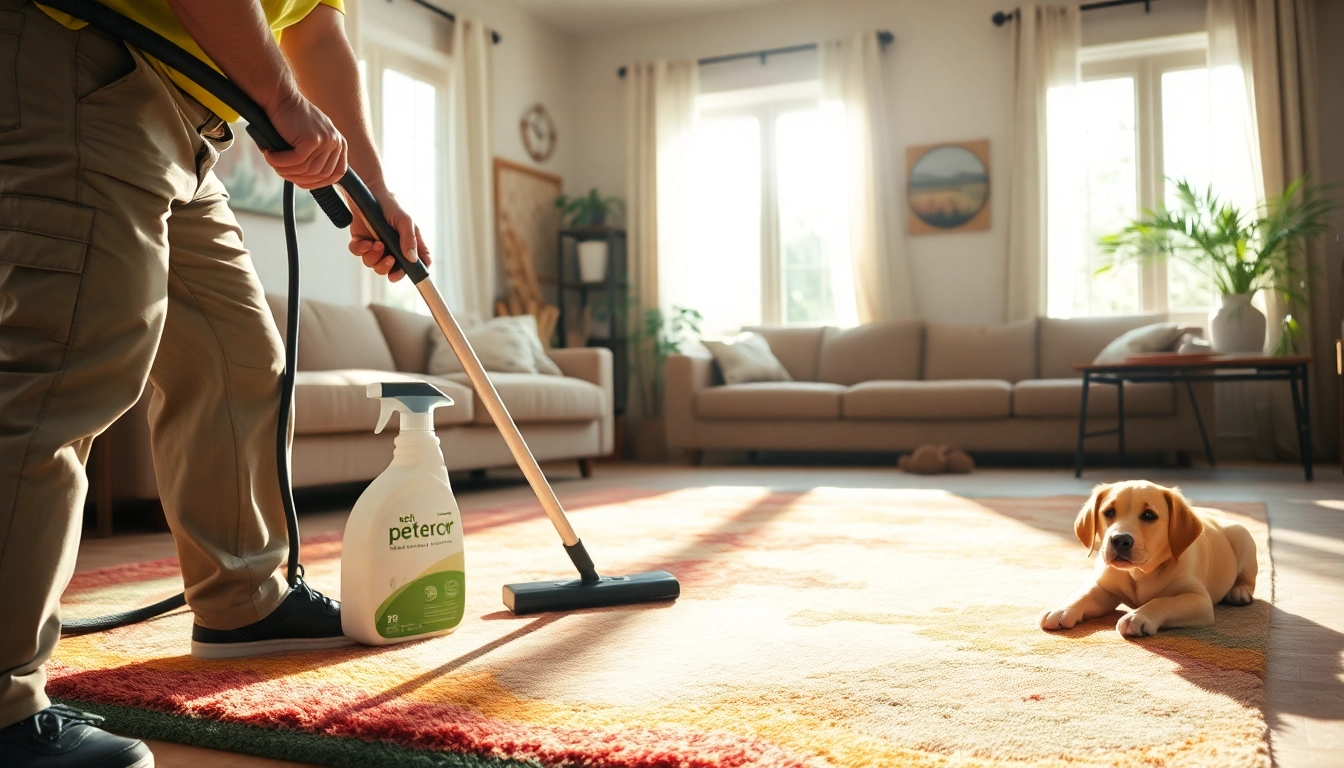
When hiring a professional carpet cleaning service, you can expect an assessment of your carpets, where the technician will identify the areas needing attention. They will discuss the cleaning process, the products they will use, and any warranties or guarantees offered. The process usually involves pre-treatment of stains, deep steam cleaning, and sometimes a post-treatment application of a protective barrier to help prevent future stains.
Choosing the Right Carpet Cleaning Service
Choosing a reputable carpet cleaning service involves researching and reading reviews, verifying credentials, and asking for recommendations. It's essential to inquire about the methods they use, as eco-friendly solutions are available that are gentle on pets and effective on carpets. Ensure that the service provides a satisfaction guarantee, so you know you're making a sound investment in maintaining your home.
Product Recommendations for Pet Odor Removal
Top Eco-Friendly Carpet Cleaning Products
For pet owners who prefer commercial solutions, there are numerous eco-friendly carpet cleaning products specifically designed to combat pet odors. Look for options that contain natural enzymes that break down organic material rather than merely masking odors. Brands that offer green certifications and biodegradable formulas are ideal for protecting the environment while effectively cleaning your carpets.
Commercial vs. Homemade Cleaning Solutions
Commercial pet odor cleaning solutions tend to be more potent and faster-acting than homemade alternatives. However, homemade options can be more cost-effective and free from harmful chemicals. It's crucial to understand the strengths and weaknesses of both types to determine what works best for your situation. Creating a balance between the two can often yield the most effective results.
Reviewing Effectiveness of Different Brands
When assessing various carpet cleaning products, consider user reviews, effectiveness claims, and ingredient compositions. Look for brands that highlight their ability to break down pet odor molecules instead of simply covering them up. Perform patch tests when using new products to ensure compatibility with your carpet fibers before fully applying the solution.
Maintenance Tips for Preventing Pet Odor
Routine Cleaning to Reduce Accumulation
Consistent cleaning practices can significantly reduce odors in homes with pets. Regular vacuuming not only removes pet hair but also dander and debris that can trap odors in carpet fibers. Aim to vacuum multiple times a week, focusing on high-traffic areas where pets tend to frequent.
Protective Measures for Your Carpet
Consider applying a protective stain guard treatment to your carpet after cleaning. This prevents staining from pet accidents and helps reduce odor retention. An alternative is to use area rugs in places where your pet frequently lounges. These can be easily cleaned and replaced, providing a barrier against stains.
Setting Up a Cleaning Schedule with Pets
Create a cleaning schedule that aligns with your pet's habits. Regular grooming, prompt clean-up of accidents, and routine carpet cleaning will help maintain a fresh-smelling environment. Consider setting reminders for spot cleaning sessions, especially after playtime or after your pet has been outside.
FAQs About Pet Odor Carpet Cleaning
1. How often should I clean my carpets if I have pets?
It's advisable to vacuum at least once a week and deep clean carpets every 3-6 months, depending on your pet's activity level.
2. Can I use regular household cleaners for pet odors?
Avoid cleaners that contain harsh chemicals; instead, opt for enzymatic or natural cleaners specifically designed for pet odors.
3. Are homemade cleaning solutions effective?
Yes, homemade solutions like vinegar and baking soda can effectively neutralize pet odors, though results may vary based on the severity of the odor.
4. Will professional cleaning eliminate odors permanently?
While professionals can significantly reduce odors, maintaining cleanliness and prompt action on accidents is essential for preventing reoccurrence.
5. What should I do if my pet has an accident on the carpet?
Quickly blot up as much liquid as possible, then use a cleaning solution to treat the area. Avoid scrubbing, as this can damage carpet fibers.