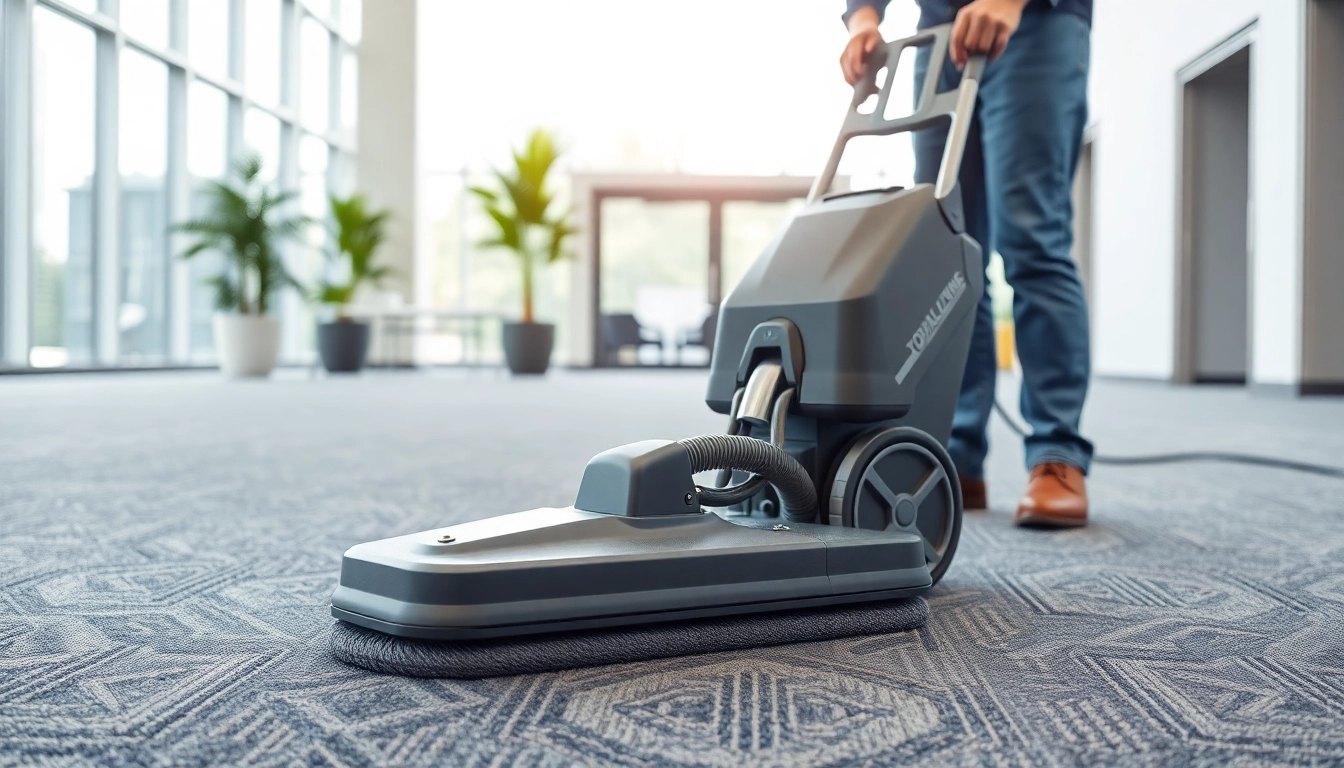
Understanding Commercial Carpet Cleaning
What is Commercial Carpet Cleaning?
Commercial carpet cleaning is a specialized cleaning service dedicated to maintaining carpets within various business environments, from offices to retail spaces and industrial facilities. Unlike residential cleaning, commercial services focus on larger areas with high foot traffic and often require industrial-grade equipment and techniques. This methodology not only enhances appearance but also ensures a healthier workplace and extends the lifespan of the carpets. Effective commercial carpet cleaning involves the use of various cleaning techniques tailored to the type of carpet, the nature of the stains, and the specific needs of the business. Professional cleaners typically evaluate the carpets and choose from methods such as hot water extraction, dry cleaning, or encapsulation, which are designed to clean thoroughly without damaging the fibers.
Importance of Regular Maintenance
Regular carpet cleaning is crucial for maintaining a hygienic and appealing workplace. Accumulation of dirt, allergens, and bacteria in carpets can significantly impact indoor air quality, leading to health issues such as respiratory problems and allergic reactions. Furthermore, a well-maintained carpet contributes to the overall professionalism of a business environment, positively influencing client perceptions. Investing in regular maintenance is not just about aesthetics; it also has practical implications. Businesses experience lower costs in the long run as properly maintained carpets last longer and require fewer replacements. Frequency of cleaning can vary based on factors like foot traffic and type of carpet, highlighting the necessity for a customized maintenance schedule.
Common Types of Commercial Carpets
Understanding the various types of commercial carpets is essential for effective cleaning and maintenance. Some common types include: 1. Loop Pile Carpets: Durable and resilient, these carpets feature loops that can withstand heavy foot traffic. They are commonly used in commercial settings due to their ability to hide dirt and stains. 2. Cut Pile Carpets: Softer and more luxurious, cut pile carpets provide better aesthetics but may show dirt more readily. They are ideal for office spaces seeking a more polished look. 3. Cut and Loop Pile Carpets: A combination of the two, these carpets offer both texture and style flexibility. They are suitable for creating unique designs while still maintaining durability. 4. Commercial Tile Carpets: Often used in modular installations, these tiles can easily be replaced if damaged or stained. They provide versatility in design and are ideal for high-traffic areas. 5. Berber Carpets: Characterized by their thick loops and tightly woven fibers, Berber carpets are known for high durability and are excellent for commercial spaces. The type of carpet determines the cleaning method needed, making it essential for business owners to understand their specific carpets for effective maintenance.
Benefits of Commercial Carpet Cleaning
Improving Indoor Air Quality
One of the primary benefits of commercial carpet cleaning is the enhancement of indoor air quality. Carpets act as a filter, trapping dust, dirt, allergens, and other pollutants. Without regular cleaning, these elements can accumulate and impact the health and comfort of employees and customers. Professional cleaning can effectively remove these pollutants, leading to cleaner air that promotes a healthier work environment. By investing in commercial carpet cleaning, businesses not only comply with health regulations but also foster an environment that reduces sick days, thereby enhancing productivity.
Prolonging Carpet Lifespan
Regular cleaning and maintenance significantly extend the lifespan of commercial carpets. Dirt and grime can wear down fibers over time, leading to irreversible damage. Utilizing professional cleaning services helps maintain the integrity of the carpet fibers, preserving their appearance and functionality. Furthermore, protective treatments can be applied during cleaning processes to safeguard against stains and spills. This proactive approach means businesses can avoid the more considerable expenses associated with carpet replacement, making it a smart financial decision.
Enhancing Aesthetic Appeal
The aesthetics of a workspace play a critical role in shaping the perceptions of visitors and employees alike. Clean carpets maintain a professional image for businesses while also contributing to a pleasant working atmosphere. Stains, odors, and dulled colors can negatively affect the ambiance of a space, leading to a lack of impression among clients and customers. Regular commercial carpet cleaning ensures the space remains inviting, thus supporting the overall branding and reputation of the business.
Choosing the Right Cleaning Methods
Hot Water Extraction vs. Dry Cleaning
When it comes to commercial carpet cleaning, businesses commonly rely on two primary methods: hot water extraction and dry cleaning. Hot Water Extraction involves using high-pressure hot water to agitate carpets while simultaneously extracting dirt and cleaning solutions. This method is effective for deep cleaning and is particularly suitable for heavily soiled carpets, resulting in a comprehensive result. Dry Cleaning, on the other hand, uses less moisture and is often deemed quicker, typically incorporating solvents to break down stains. This method can be ideal for businesses with minimal downtime, as carpets can be used shortly after cleaning. However, it may not deliver the same level of deep cleaning as hot water extraction. Choosing between these methods largely depends on the condition of the carpet and the specific needs of the business. It’s essential to consult with cleaning professionals who can offer tailored recommendations based on carpet types and use.
Eco-Friendly Solutions for Carpet Cleaning
With a growing emphasis on sustainability, businesses increasingly seek eco-friendly carpet cleaning solutions. These methods employ biodegradable cleaning agents and low-water techniques that minimize environmental impact while achieving effective results. Using eco-friendly solutions not only benefits the planet but also ensures the safety of employees and customers by reducing exposure to harsh chemicals. Companies can position themselves as eco-conscious and attract like-minded clients, further enhancing their market image. Moreover, implementing environmentally friendly cleaning products can lead to better overall indoor air quality, supporting employee health and productivity.
In-House vs. Professional Services
Deciding between in-house cleaning and outsourcing to a professional service is a critical consideration for businesses. In-house cleaning can be cost-effective, allowing businesses to have greater control over schedules and budgets. However, it often requires training staff and investing in equipment and cleaning supplies, which can be a burden, particularly for larger organizations with extensive carpeted areas. Conversely, professional services bring expertise, advanced equipment, and a depth of knowledge that typically results in a superior cleaning outcome. This option often translates into enhanced efficiency, as trained professionals can customize solutions based on the specific needs of each space. Ultimately, the choice depends on factors like budget, carpet condition, and staff capabilities. Businesses should evaluate their unique circumstances before making this pivotal decision.
Implementing a Cleaning Schedule
Factors Influencing Cleaning Frequency
Establishing a carpet cleaning schedule requires careful consideration of various factors. Key influences include: 1. Foot Traffic: High-traffic areas will naturally accumulate dirt and stains more quickly. Businesses should increase cleaning frequency in these zones, especially focusing on entryways and hallways. 2. Type of Carpet: Different carpets respond differently to wear and contamination. Understanding the specific type of carpet can help define an effective cleaning schedule. 3. Environmental Conditions: Weather can have a significant impact on cleanliness. For instance, rainy seasons may lead to increased dirt and moisture. 4. Usage Purpose: Spaces used for dining or other activities prone to spills may require more frequent cleaning to maintain hygiene and appearance. Taking these factors into account can help businesses establish a tailored cleaning routine that meets their specific needs.
Creating a Carpet Care Plan
Crafting an effective carpet care plan involves a systematic approach to cleaning and maintenance. Consider the following steps: 1. Assessment: Begin by assessing the current condition of the carpets, noting any specific areas that suffer from high wear or staining. 2. Develop a Schedule: Based on the assessment and influencing factors, create a cleaning schedule that divides tasks into daily, weekly, and monthly routines. 3. Select Methods and Products: Identify the appropriate cleaning methods and eco-friendly products to be used, ensuring they are compatible with the types of carpets installed. 4. Training Staff: If in-house cleaning is part of the strategy, provide adequate training for staff to ensure effective carpet maintenance. 5. Monitor and Adjust: Regularly assess the effectiveness of the plan and make adjustments based on feedback and performance metrics. Implementing a comprehensive carpet care plan not only keeps carpets looking their best but also helps to manage costs associated with maintenance.
Best Practices for Day-to-Day Maintenance
In addition to scheduled deep cleaning, there are several best practices for day-to-day carpet maintenance. These practices ensure carpets remain clean and provide longevity between professional cleanings: 1. Regular Vacuuming: Frequent vacuuming is essential for removing surface dust and dirt. Establish a regular vacuuming schedule based on foot traffic levels, increasing frequency in busy areas. 2. Spot Cleaning: Address stains promptly using appropriate spot cleaning solutions. Train staff to recognize common stains and respond with effective cleaning techniques. 3. Use Mats and Runners: Placing mats at entry points can trap dirt before it reaches the carpets. Regularly clean these mats to maximize effectiveness. 4. Implement a No-Shoes Policy: Consider a no-shoes policy in areas with high-value carpets to reduce debris brought indoors. 5. Professional Inspections: Schedule annual inspections by professional cleaners to assess overall carpet health and identify any potential issues before they worsen. By integrating these practices, businesses can preserve the quality and appearance of their carpets while simultaneously improving their workplace environment.
Measuring the Effectiveness of Carpet Cleaning
Key Performance Indicators for Success
To gauge the success of carpet cleaning initiatives, businesses should establish key performance indicators (KPIs) that reflect the program's effectiveness. Some important KPIs include: 1. Employee Satisfaction: Regular feedback from employees regarding workplace cleanliness can serve as an essential measure of effectiveness. 2. Visual Inspection Scores: Conducting regular visual assessments helps to determine if carpets are meeting cleanliness standards after cleaning schedules. 3. Life Cycle of Carpets: Track the longevity of carpets to determine if cleaning protocols contribute to their lifespan. 4. Frequency of Complaints: Monitor the number of complaints related to stains, odors, or overall cleanliness, adjusting strategies accordingly. 5. Cost Analysis: Review cleaning costs versus carpet replacement expenses to evaluate the financial impact of the cleaning program. These KPIs can provide valuable insights into the success of a carpet-cleaning strategy, allowing businesses to make informed adjustments for continuous improvement.
Gathering Customer Feedback
Customer feedback is vital for assessing the effectiveness of cleaning practices and understanding the overall perception of a business environment. Organizations should implement strategies for gathering feedback, including: 1. Surveys: Distributing surveys post-cleaning can yield valuable insights, helping to measure satisfaction with the cleanliness and aesthetic appeal of carpets. 2. Suggestion Boxes: Implement physical or digital suggestion boxes that allow customers and employees to voice concerns or compliments about carpet cleanliness. 3. Direct Feedback: Encourage open communication by discussing cleanliness standards with clients, gathering firsthand impressions during meetings. By valuing and acting on customer feedback, businesses can not only enhance their carpet maintenance strategies but also improve client relationships and satisfaction.
Adjusting Strategies Based on Results
Once KPIs are established and customer feedback is collected, it’s important for businesses to analyze the data and make adjustments where necessary. This involves: 1. Comparative Analysis: Compare current results with historical data to identify trends, both positive and negative. 2. Feedback Analysis: Review customer feedback to address concerns effectively and implement suggestions that may lead to improved outcomes. 3. Ongoing Training: Provide continuous training for cleaning staff based on insights gathered from assessments and feedback. 4. Consulting Professionals: Don’t hesitate to reach out to professional cleaners for advice based on industry best practices. By remaining proactive and receptive to improvement opportunities, businesses can fine-tune their carpet cleaning strategies, ensuring the highest standards of cleanliness and satisfaction.
Frequently Asked Questions (FAQs)
What is the best method for commercial carpet cleaning?
The best method depends on carpet type and soil level. Hot water extraction is effective for deep cleaning, while dry cleaning is more suitable for quick maintenance.
How often should commercial carpets be cleaned?
Cleaning frequency varies based on foot traffic and carpet type, but generally, high-traffic areas require cleaning at least once every 6-12 months.
Are eco-friendly carpet cleaning products effective?
Yes, eco-friendly products can be highly effective. They clean thoroughly while being safe for both users and the environment, enhancing indoor air quality.
Can I clean carpets in-house?
Yes, but it requires proper training and equipment. Professional services typically provide deeper cleaning and can save time and effort in a busy business environment.
What are the signs that my carpets need cleaning?
Look for visible stains, discoloration, or an overall odorous smell. If these issues become prevalent, it’s time to schedule a professional cleaning.