Introduction to Structural Steel Installation
Structural steel installation is a critical process in commercial and industrial construction projects, providing the backbone for various structures including buildings, bridges, and other infrastructure. Understanding the nuances of this installation not only enhances the efficiency and safety of the project but also ensures durability and longevity. This article delves into the various aspects of structural steel installation, providing insights into the preparation, execution, and best practices, while also emphasizing safety and compliance throughout the process.
What is Structural Steel Installation?
Structural steel installation refers to the process of erecting steel frames that serve as the structural foundation for buildings and other constructs. This involves assembling various steel components such as beams, columns, and braces, and connecting them securely to create a robust framework capable of supporting intended loads. The process is critical in ensuring that structures can withstand environmental forces such as wind, rain, and earthquakes, while also meeting design specifications.
Importance of Proper Installation Techniques
Proper installation techniques are paramount for several reasons. Firstly, they ensure compliance with building codes and regulations, which are designed to safeguard public safety. Secondly, correct installation minimizes the risk of structural failure, which can lead to costly repairs, project delays, and most importantly, potential hazards to workers and occupants. Furthermore, precise execution aids in optimizing the material's performance, thereby extending the lifespan of the structure.
Overview of the Installation Process
The installation process can be broadly categorized into several key phases, starting with pre-installation preparations, followed by the main erection activities, and concluding with final checks and inspections. Each phase requires careful planning and execution, encompassing site assessments, material selection, equipment setup, and procedural compliance.
Pre-Installation Preparations
Site Assessment and Planning Considerations
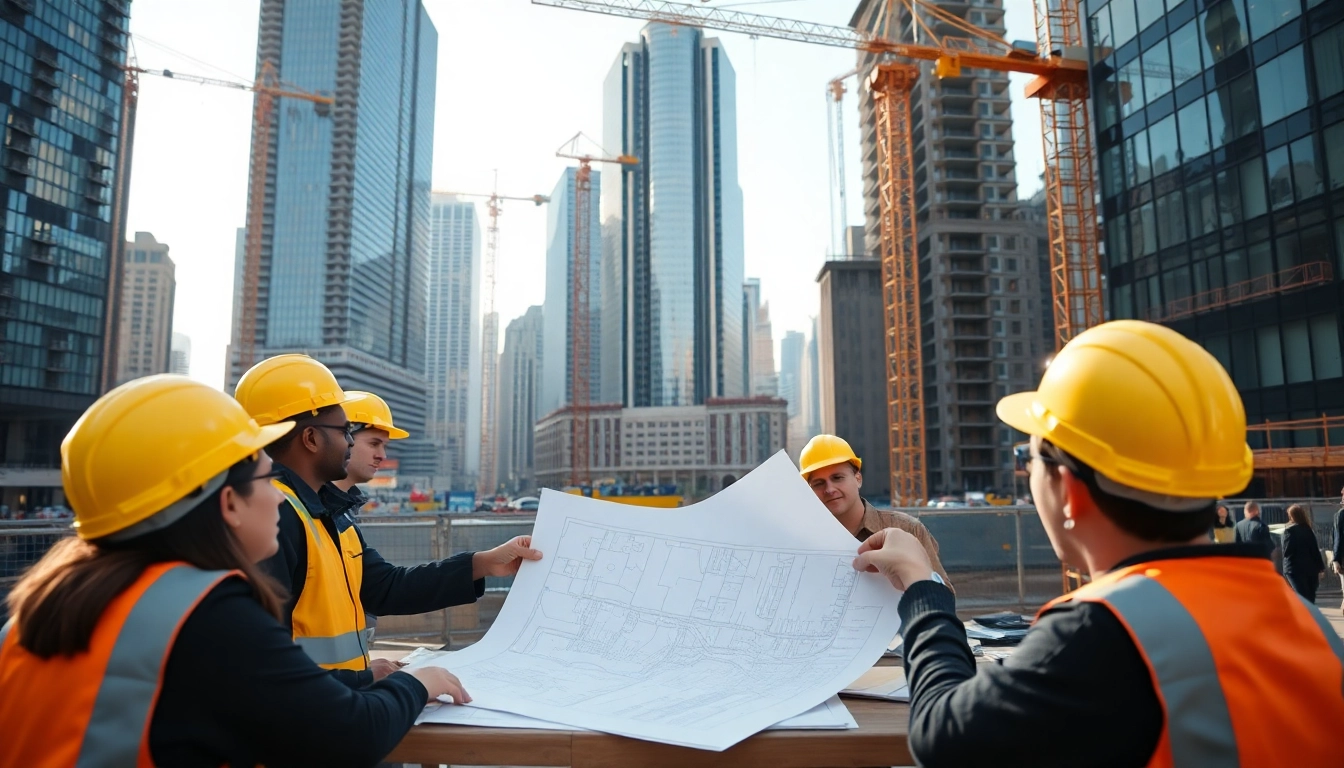
A thorough site assessment is essential before any structural steel installation begins. This involves inspecting the geographical conditions, soil type, and existing structures, which influence design and construction methods. Additionally, understanding local zoning laws and regulations is vital to ensure the proposed structure meets legal requirements. Effective planning also includes scheduling timelines and coordinating with various trade teams to ensure a seamless workflow.
Selecting the Right Materials for Structural Steel Installation
The choice of materials significantly impacts the installation process and the future performance of the structure. Structural steel is available in various grades and specifications, which should be selected based on the environmental conditions, design requirements, and load-bearing capacities. Engaging with manufacturers to obtain samples and specifications can facilitate better material selection, thereby enhancing the overall structural integrity.
Gathering Necessary Tools and Equipment
The installation of structural steel requires specific tools and equipment to ensure a safe and efficient process. Essential tools include cranes for lifting large steel components, welding machines, cutting tools, and various fastening devices. Personnel should be trained in the proper handling and utilization of this equipment to minimize risks and improve efficiency during the installation process.
Key Steps in Structural Steel Installation
Foundation Preparation: Laying the Groundwork
Before erecting structural steel, it is crucial to prepare a solid and level foundation. This may involve excavating the site and pouring concrete footings that provide a stable base for the steel frame. Key considerations during foundation preparation include ensuring proper alignment and leveling, which lays the groundwork for the subsequent assembly of steel components.
Installing Columns and Beams: Structural Framework
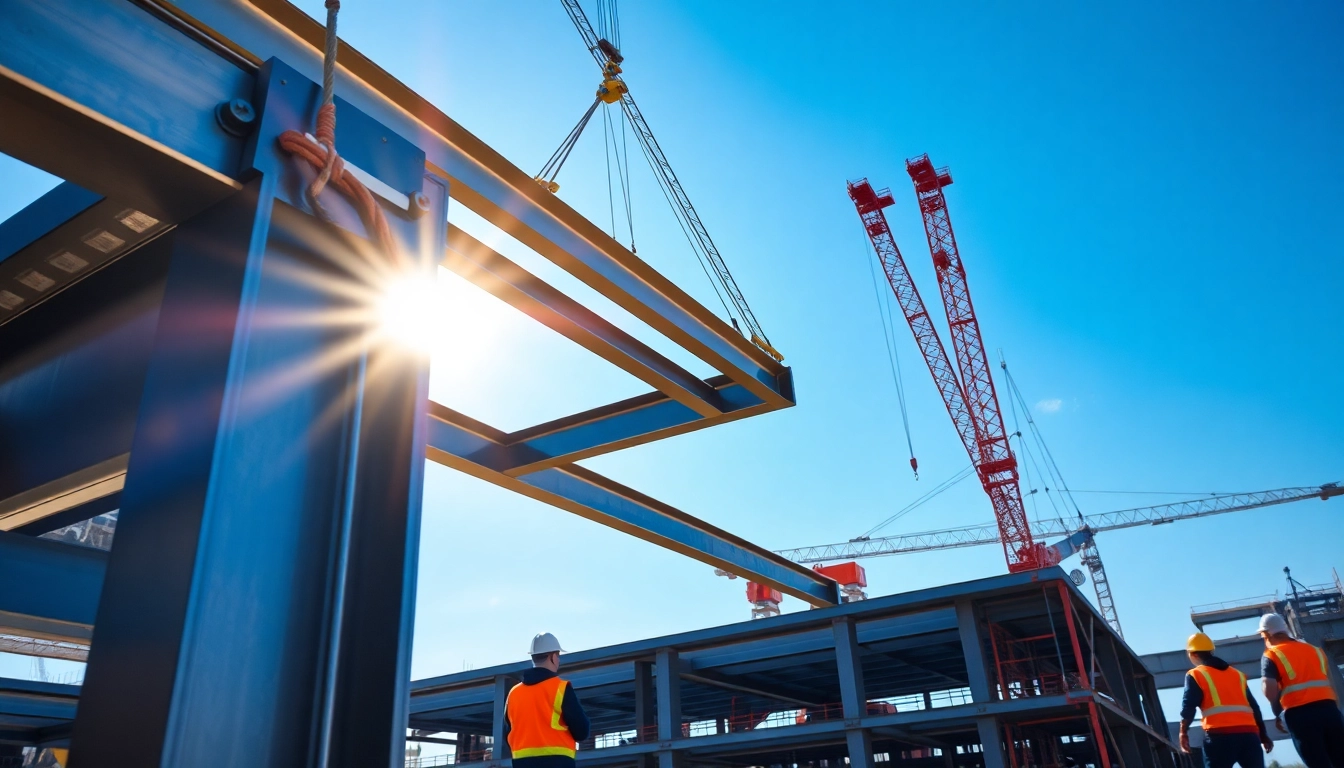
The next step involves the installation of columns and beams, which form the primary structural framework. Columns are typically erected first, followed by beams that connect them in a manner specified by the design plans. This is a collaborative process requiring coordination among various teams, with a focus on achieving correct spacing and load distribution. Using temporary connectors and braces during this phase can support alignment and stability until permanent connections are secured.
Finalizing Connections and Reinforcement
Once the main framework is in place, attention turns to finalizing connections and reinforcements. This includes welding, bolting, or riveting the connections between steel members, ensuring that each joint can handle the anticipated loads. It is essential to follow industry best practices and specifications for connection techniques to uphold structural safety and performance. Additionally, proper inspections should be conducted to identify and rectify any issues before moving forward.
Best Practices for Safety and Compliance
Regulatory Standards and Industry Guidelines
Compliance with regulatory standards is non-negotiable in structural steel installation. Various organizations and government bodies set forth guidelines that outline best practices for installation processes, worker safety, and material specifications. Familiarity with these regulations ensures that all aspects of the installation meet minimum safety standards and reduces the risk of inspections failing due to non-compliance.
Safety Equipment and Protocols for Workers
Worker safety is paramount throughout the structural steel installation process. Utilizing personal protective equipment (PPE) such as helmets, gloves, harnesses, and steel-toed boots is fundamental. Additionally, establishing safety protocols, including regular safety meetings, hazard assessments, and emergency response plans, fosters a culture of safety on-site. Workers should be trained to recognize hazards and follow established safety practices diligently to mitigate risks.
Common Hazards and How to Mitigate Them
Common hazards during structural steel installation include falls from heights, equipment accidents, and exposure to high-stress environments. Implementing safety training programs that educate workers on hazard recognition and safe practices can significantly reduce these risks. Regular site inspections to identify potential hazards, coupled with a robust reporting system for accidents or near misses, can lead to improved safety measures being put in place.
Evaluating and Improving Installation Efficiency
Performance Metrics for Structural Steel Installation
To evaluate the success of structural steel installation projects, various performance metrics can be employed. Key performance indicators (KPIs) may include project timelines, budget adherence, safety incident rates, and the quality of completed work. Regular analysis of these metrics supports continuous improvement by identifying trends and areas for enhancement within the installation process.
Technology Innovations in Steel Installation
The structural steel installation field has seen significant advancements due to technology. Innovations such as Building Information Modeling (BIM) allow for improved design visualization and coordination among teams. Furthermore, robotic technology and automation can enhance the precision of installations, reducing labor costs and increasing overall efficiency. Investing in these technologies can provide a competitive advantage by streamlining operations and improving safety outcomes.
Continuous Training and Skill Development for Workers
Continuous training is essential for maintaining high standards in structural steel installation. Regular workshops, on-site training sessions, and certification programs can enhance workers’ skills, keeping them updated on the latest techniques and safety protocols. By fostering a culture of ongoing education, companies not only improve their workforce’s capabilities but also contribute to better project outcomes and increased employee satisfaction.