
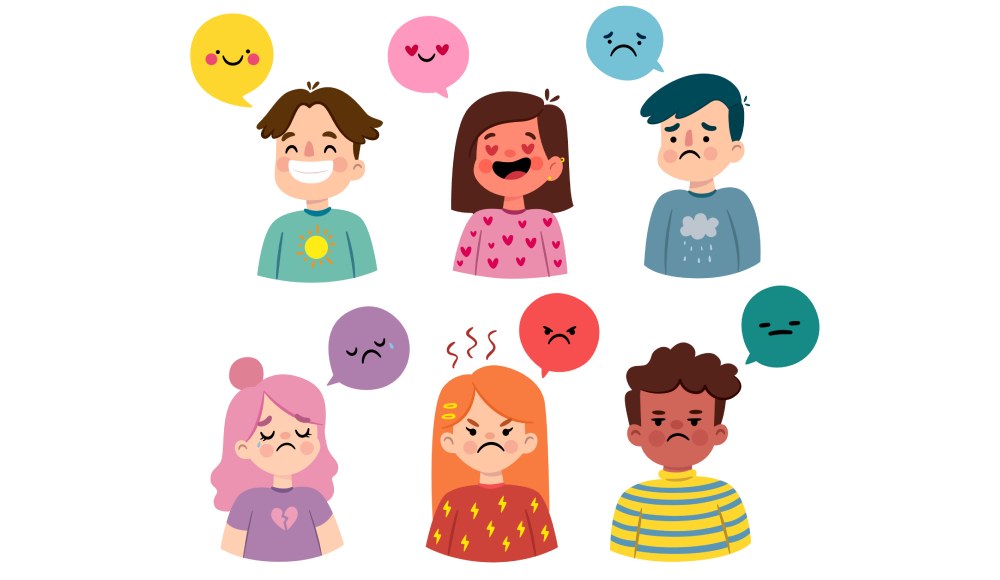
In today’s fast-paced and often unpredictable world, cultivating Emotional wellbeing is essential for effectively managing stress and anxiety. Emotional wellbeing goes beyond simply feeling happy or relaxed—it encompasses the ability to recognize, understand, and regulate emotions in a healthy and productive manner. Developing a strong foundation in emotional wellbeing allows individuals to cope with life’s challenges, maintain mental clarity, and foster resilience in both personal and professional contexts. At Calm Minds Hub, our goal is to provide practical, evidence-based strategies to help individuals enhance emotional health and reduce the impact of stress and anxiety on daily life.
Understanding Stress and Anxiety
What Stress Really Is
Stress is a natural response to perceived threats or demands, often referred to as “stressors.” These stressors can be external, such as work pressure, financial difficulties, or relationship conflicts, or internal, such as negative self-talk or unrealistic expectations. While occasional stress can motivate and energize, chronic stress can overwhelm the nervous system, impair cognitive function, and negatively impact emotional wellbeing.
The Nature of Anxiety
Anxiety is characterized by persistent worry, apprehension, or fear that can interfere with daily functioning. Unlike normal stress, which tends to be situational and temporary, anxiety often manifests as a prolonged emotional state. Anxiety can be generalized or specific, and without proper coping mechanisms, it can escalate into chronic conditions that undermine overall emotional and physical health.
How Stress and Anxiety Affect Emotional Wellbeing
Both stress and anxiety can significantly disrupt emotional wellbeing by causing mood swings, irritability, difficulty concentrating, and fatigue. Prolonged exposure to stress hormones, such as cortisol, can impair immune function and increase vulnerability to mental health conditions. Emotional wellbeing acts as a buffer, enabling individuals to manage stress effectively and maintain balance even during challenging circumstances.
Core Principles for Managing Stress and Anxiety
Self-Awareness and Emotional Recognition
The first step in managing stress and anxiety is cultivating self-awareness. This involves recognizing early signs of tension, irritability, or worry. Techniques such as mindfulness meditation, journaling, and self-reflection allow individuals to identify triggers, understand emotional patterns, and respond to challenges thoughtfully rather than reactively.
Acceptance and Mindful Presence
Acceptance is a fundamental principle of emotional wellbeing. Accepting emotions without judgment does not mean resignation but rather acknowledging feelings as they arise. Mindful presence—the practice of focusing on the present moment—reduces rumination and worry about past or future events, which are common contributors to stress and anxiety.
Developing Coping Strategies
Effective coping strategies are crucial for managing emotional responses to stress. Coping can be proactive, such as engaging in relaxation exercises, or adaptive, such as problem-solving or seeking support. By developing a personalized set of coping strategies, individuals can navigate challenging situations with greater confidence and emotional balance.
Practical Emotional Wellbeing Habits
Daily Mindfulness Practices
Mindfulness practices strengthen emotional wellbeing by training the mind to remain present and non-judgmental. Simple techniques such as mindful breathing, body scans, or short meditation sessions can significantly reduce anxiety and foster a sense of calm. Incorporating mindfulness into daily routines ensures consistency and long-term benefits.
Physical Activity and Exercise
Regular physical activity is one of the most effective tools for managing stress and anxiety. Exercise releases endorphins, which are natural mood enhancers, and reduces levels of stress hormones like cortisol. Activities such as walking, yoga, swimming, or strength training improve both physical health and emotional resilience.
Structured Journaling
Journaling is a practical way to enhance emotional wellbeing while managing stress. Recording thoughts, worries, and experiences helps individuals process emotions, identify recurring patterns, and gain perspective on challenges. Structured journaling, such as writing about specific stressors or reflecting on positive moments, can significantly reduce anxiety over time.
Balanced Nutrition and Emotional Stability
Nutrition plays a critical role in emotional wellbeing. Diets rich in whole foods, lean proteins, healthy fats, and complex carbohydrates support neurotransmitter function and stabilize mood. Avoiding excessive sugar, caffeine, and processed foods can prevent fluctuations in energy and reduce the likelihood of anxiety spikes.
Quality Sleep for Emotional Resilience
Adequate sleep is essential for regulating emotions and managing stress effectively. Sleep deprivation amplifies anxiety, reduces cognitive function, and increases emotional reactivity. Establishing a consistent sleep schedule and creating a calming bedtime routine supports both emotional wellbeing and mental clarity.
Stress Reduction Techniques
Deep Breathing and Relaxation
Controlled breathing exercises are highly effective in reducing acute stress and anxiety. Techniques such as diaphragmatic breathing, box breathing, or alternate nostril breathing help calm the nervous system, slow heart rate, and induce a state of relaxation. Regular practice enhances emotional regulation and prevents stress from escalating.
Progressive Muscle Relaxation
Progressive muscle relaxation (PMR) involves systematically tensing and relaxing muscle groups to release physical tension and promote mental calm. PMR helps individuals become more aware of bodily sensations associated with stress and encourages relaxation responses that support emotional wellbeing.
Visualization and Guided Imagery
Visualization techniques use mental imagery to create calming, positive experiences in the mind. Guided imagery can reduce stress, improve mood, and enhance coping capacity. Imagining oneself in a serene environment or visualizing successful outcomes to challenging situations fosters emotional balance and resilience.
Limiting Stress Triggers
Identifying and minimizing exposure to unnecessary stressors is an effective strategy for emotional wellbeing. This may involve reducing digital overload, delegating tasks, setting boundaries, or restructuring environments to minimize tension. Proactively managing triggers supports sustained mental and emotional health.

Building Resilience Through Emotional Wellbeing
Emotional Regulation Skills
Developing emotional regulation skills allows individuals to respond thoughtfully rather than react impulsively to stressors. Techniques include pausing before reacting, cognitive reframing, and using grounding exercises to regain composure. Strong emotional regulation enhances mental strength and helps maintain balance during high-pressure situations.
Social Support Networks
Supportive relationships are critical for managing stress and anxiety. Sharing experiences with trusted friends, family, or support groups provides emotional validation, reduces feelings of isolation, and enhances coping capacity. Building and maintaining social networks strengthens emotional wellbeing and resilience.
Problem-Solving and Goal Setting
Problem-solving and goal setting empower individuals to manage stress constructively. Breaking down challenges into manageable steps, setting realistic goals, and taking proactive measures reduce feelings of helplessness and increase confidence in handling stressful situations. These habits support long-term emotional balance.
Practicing Gratitude
Gratitude practices, such as maintaining a gratitude journal or reflecting on positive experiences, enhance emotional wellbeing by shifting focus from stressors to sources of satisfaction and joy. Regular reflection on gratitude improves mood, reduces anxiety, and strengthens resilience against adversity.
Emotional Wellbeing in Daily Life
Morning Routines for Stress Management
Starting the day with intention supports emotional wellbeing and stress reduction. Incorporating mindfulness, light exercise, or reflective journaling into morning routines sets a positive tone for the day and equips individuals with mental tools to navigate challenges effectively.
Evening Wind-Down Rituals
Evening routines promote relaxation and emotional recovery. Activities such as reading, meditating, or engaging in creative hobbies before bedtime enhance sleep quality and reduce residual stress from the day. Consistent evening rituals foster mental clarity and prepare the mind for the next day.
Digital Detox and Mindful Technology Use
Excessive screen time and social media consumption can exacerbate stress and anxiety. Limiting digital exposure, scheduling breaks, and engaging in offline activities support emotional wellbeing. Mindful technology use reduces overstimulation and promotes focused, balanced mental states.
Professional Support and Emotional Wellbeing
When to Seek Help
Professional support is crucial for individuals experiencing persistent or overwhelming stress and anxiety. Therapists, counselors, or mental health professionals offer evidence-based interventions such as cognitive-behavioral therapy, stress management techniques, and guided emotional processing to enhance wellbeing. Early intervention prevents escalation and strengthens emotional resilience.
Types of Therapeutic Support
Various forms of therapeutic support can enhance emotional wellbeing. Individual therapy, group sessions, and online counseling provide safe spaces for exploring emotions, learning coping strategies, and developing problem-solving skills. Selecting the right approach depends on personal preferences, needs, and severity of stress or anxiety.
Integrating Professional Guidance Into Daily Life
Incorporating professional guidance into daily routines reinforces emotional wellbeing habits. Therapists often recommend exercises, journaling prompts, or mindfulness practices tailored to individual needs. Regular application of these strategies enhances stress management, anxiety reduction, and overall emotional balance.
Long-Term Strategies for Managing Stress and Anxiety
Cultivating Emotional Awareness
Continued emotional awareness is key to long-term wellbeing. Recognizing subtle changes in mood, identifying early stress signals, and reflecting on emotional patterns allows proactive intervention. Heightened awareness fosters adaptive coping and prevents small stressors from escalating into chronic anxiety.
Lifestyle Modifications
Long-term management of stress and anxiety often requires lifestyle modifications. Prioritizing regular exercise, maintaining a balanced diet, ensuring sufficient sleep, and fostering positive social connections create a foundation for sustained emotional wellbeing. These adjustments complement coping strategies and enhance resilience.
Continuous Learning and Adaptation
Emotional wellbeing is dynamic, and ongoing learning is essential for adaptation. Staying informed about evidence-based stress management techniques, experimenting with new coping strategies, and adjusting routines based on personal effectiveness strengthen emotional health. A commitment to lifelong emotional growth ensures lasting resilience.
Conclusion
Managing stress and anxiety through emotional wellbeing requires intentionality, consistency, and evidence-based practices. By cultivating mindfulness, building supportive relationships, practicing self-awareness, and implementing structured routines, individuals can enhance their emotional resilience and maintain balance in daily life. Emotional wellbeing is an ongoing journey, but with dedication and the right strategies, it is possible to navigate life’s challenges with clarity, calm, and confidence. Calm Minds Hub emphasizes practical, research-backed approaches to make emotional wellbeing achievable and sustainable for everyone. Unlock exclusive guides and tips by heading back to the home screen.
FAQs
How can I reduce stress and anxiety through emotional wellbeing?
Reducing stress and anxiety involves cultivating mindfulness, practicing deep breathing, maintaining a balanced lifestyle, engaging in physical activity, and developing emotional awareness. Combining these habits helps regulate emotional responses, improve resilience, and foster long-term mental balance.
What daily practices improve emotional wellbeing?
Daily practices include meditation, journaling, gratitude reflection, regular exercise, adequate sleep, and mindful technology use. Consistent application of these habits enhances emotional clarity, reduces anxiety, and strengthens overall mental health.
When should I seek professional help for stress and anxiety?
Professional help should be sought if stress or anxiety becomes persistent, overwhelming, or interferes with daily functioning. Therapists, counselors, and mental health professionals provide evidence-based interventions to manage symptoms, develop coping skills, and support long-term emotional wellbeing.