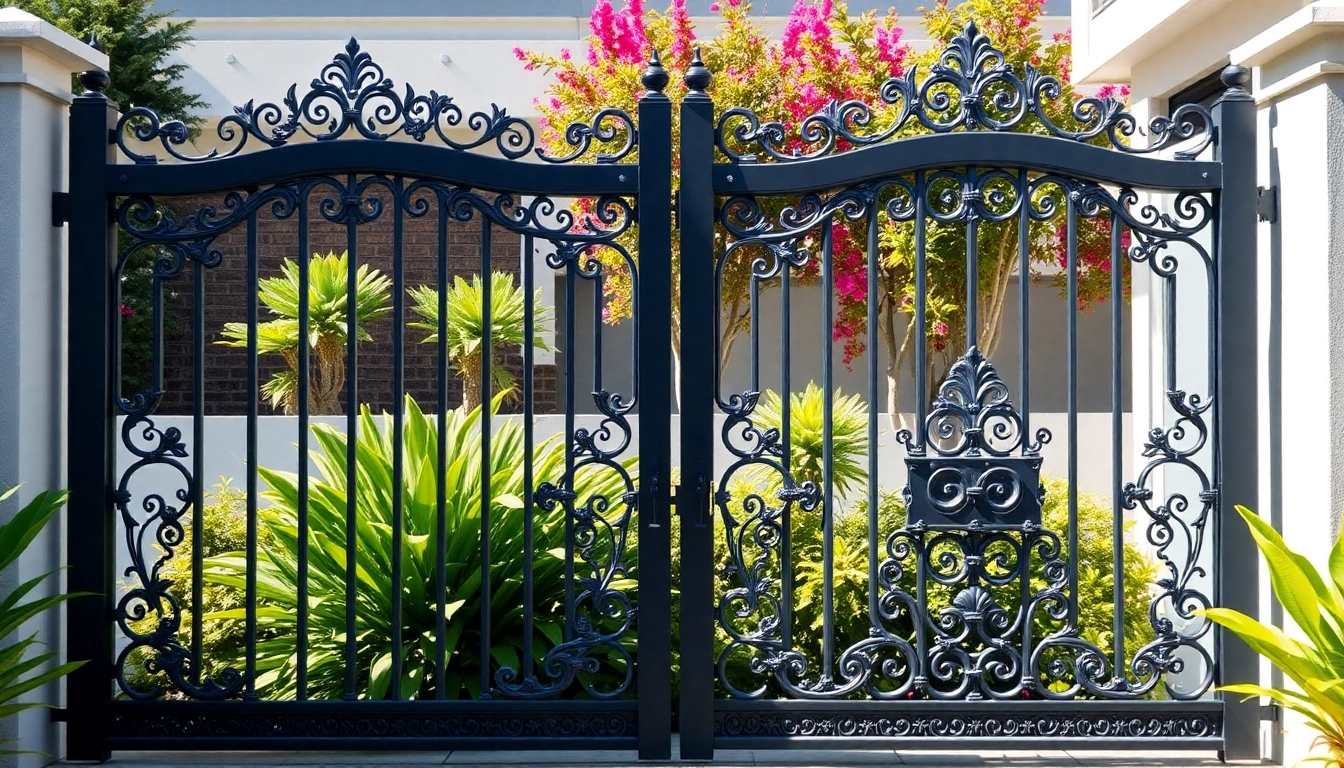
Understanding Custom Steel Gates
1. Definition and Purpose
Custom steel gates are tailor-made barriers designed specifically to secure and enhance the aesthetic appeal of residential and commercial properties. Unlike standard gates, which are mass-produced and may not fit well with the unique contours or styles of a property, custom steel gates are manufactured to meet specific dimensions, designs, and needs. These gates serve a dual purpose: providing security against unauthorized access and adding a decorative element that complements the property’s overall appearance. They can be seen at the entrance of homes, businesses, warehouses, and even industrial sites, offering a robust solution that merges functionality with style.
2. Benefits of Custom Steel Gates
Choosing custom steel gates comes with several advantages that extend beyond mere functionality:
- Enhanced Security: The robust nature of steel offers significant protection against break-ins, vandalism, and unwanted access, providing peace of mind.
- Aesthetic Appeal: Custom designs allow owners to personalize their gates, improving curb appeal while reflecting their style.
- Durability: Steel gates are known for their strength and longevity, often lasting much longer than wooden or aluminum alternatives.
- Value Addition: With increased security and enhanced aesthetics, custom steel gates can positively impact a property's market value.
- Low Maintenance: Steel requires minimal upkeep compared to other materials, saving time and costs.
3. Design Considerations
Designing a custom steel gate involves several considerations to ensure it meets the needs of the property:
- Dimensions: Accurate measurements are crucial for fitting gates perfectly into the designated entry points.
- Style: The design should complement the architecture of the property, whether it be modern, traditional, or industrial.
- Function: Consideration of how often the gate will be used can influence the choice between swing, sliding, or bi-fold designs.
- Finishes: Options for powder coating or galvanizing can enhance aesthetics while providing additional corrosion resistance.
Types of Custom Steel Gates
1. Swing Gates
Swing gates are perhaps the most traditional style. They operate on hinges and swing open or closed. Suitable for places with ample space, they can be single or double-leaf designs. Their aesthetic appeal is matched by their strength, making them an excellent choice for residential properties where security is a concern. A notable feature of swing gates is that they can be elegantly designed with decorative elements without compromising security.
2. Sliding Gates
For properties where space is limited, sliding gates are an ideal solution. They slide open along a track, requiring no additional swing space. These gates are particularly popular in commercial settings but are increasingly found in residential applications as well. Custom sliding gates can feature intricate designs and patterns, ensuring they do not sacrifice style for functionality.
3. Bi-Folding Gates
Bi-folding gates combine the benefits of both swing and sliding gates. They fold in on themselves as they open, providing a large opening without taking up much space. Commonly used for properties needing wider access, such as driveways or emergency exits, bi-folding gates can be customized to be as decorative as they are functional, often incorporating multiple design elements while ensuring security.
Choosing the Right Custom Steel Gates
1. Assessing Your Needs
Determining the right custom steel gates begins with assessing your specific requirements. Consider the primary purpose of the gate—is it for security, aesthetics, access control, or a combination of these factors? Understanding the local climate conditions can guide you in selecting materials and finishes that enhance durability. Engage with professionals to get insights on what works best for your location and property type.
2. Understanding Styles and Designs
The style of your custom steel gate should reflect your taste while being compatible with the existing architecture. Explore multiple styles, from modern minimalist designs to ornate traditional patterns. Customization allows you to add features such as decorative panels, scrollwork, or colors that complement your home’s exterior and landscape.
3. Evaluating Security Features
Security is a top priority. Custom steel gates can be equipped with various security features such as automated opening systems, keypads, intercoms, and surveillance systems. Assess the level of security your property requires and choose a gate design that supports it. Additionally, consider the strength of the materials used and any locking mechanisms for enhanced protection.
Installation Process for Custom Steel Gates
1. Site Preparation
Proper installation of custom steel gates begins long before the gate itself is placed. Site preparation is crucial, which involves clearing the area, measuring for accuracy, and ensuring the ground is level. Remove any obstacles that might interfere with the gate's operation, and check local zoning codes to ensure compliance with height and design restrictions.
2. Installation Options
Installation can be carried out by professionals or by experienced DIY enthusiasts. The process typically involves mounting the gate's hinges, aligning it correctly, and ensuring smooth operation. Automatic opening systems, if included, should be installed as per the manufacturer’s instructions to function accurately and safely.
3. Safety Measures
During installation, safety measures should be prioritized. Wear protective gear, and ensure the area is secure. If installing automatic gates, it is crucial to adhere to electrical safety guidelines, particularly when connecting power to the gate’s mechanisms. Consulting with a professional can also help mitigate risks associated with installation.
Maintenance of Custom Steel Gates
1. Routine Cleaning
To maintain the condition of custom steel gates, regular cleaning is essential. Use a mild detergent mixed with water to avoid the accumulation of dirt and grime, which can lead to corrosion. Ensure to wash away soap thoroughly and dry the surface to maintain its finish and prevent streaks.
2. Rust Prevention Techniques
Steel is prone to rust, especially in humid conditions or where water accumulation occurs. Regularly inspect gates for early signs of rust, treating affected areas promptly. Applying a rust-inhibiting primer and a fresh coat of paint can extend the lifespan of your gates significantly. Additionally, consider applying a clear sealant to provide a protective barrier against moisture.
3. Repairs and Modifications
Like any structure, custom steel gates may require repairs or modifications over time. If you notice difficulty in operation, misalignment, or mechanical issues, address them swiftly to prevent further damage. Engage with professionals for repairs to ensure they restore both functionality and security effectively.
Frequently Asked Questions
What are the main benefits of custom steel gates?
Custom steel gates enhance property security, aesthetic appeal, and privacy, providing solutions tailored to individual needs.
How do I choose the right design for my custom steel gates?
Consider your property's architecture, personal style, and functional needs. Custom designs can complement various aesthetics.
What maintenance do custom steel gates require?
Regularly clean them to prevent dirt buildup, inspect for rust, and perform necessary repairs to maintain their longevity and appearance.
Can custom steel gates improve my property value?
Yes, custom steel gates can enhance your property's curb appeal and provide additional security, potentially increasing its market value.
How long does it take to install custom steel gates?
The installation timeline varies based on design complexity and site conditions, typically ranging from a few hours to several days.
For those considering investing in custom steel gates, understanding the multifaceted benefits and practical considerations is crucial for making an informed decision that ultimately enhances both security and aesthetic appeal.