Understanding Structural Steel Installation
Structural steel installation is a critical component in the construction and engineering fields, serving as the backbone for many modern buildings and infrastructures. With its robustness and adaptability, structural steel installation ensures that both safety and aesthetic standards are met. This article provides an in-depth exploration of structural steel, its importance, applications, and the best practices to ensure successful installation.
What is Structural Steel?
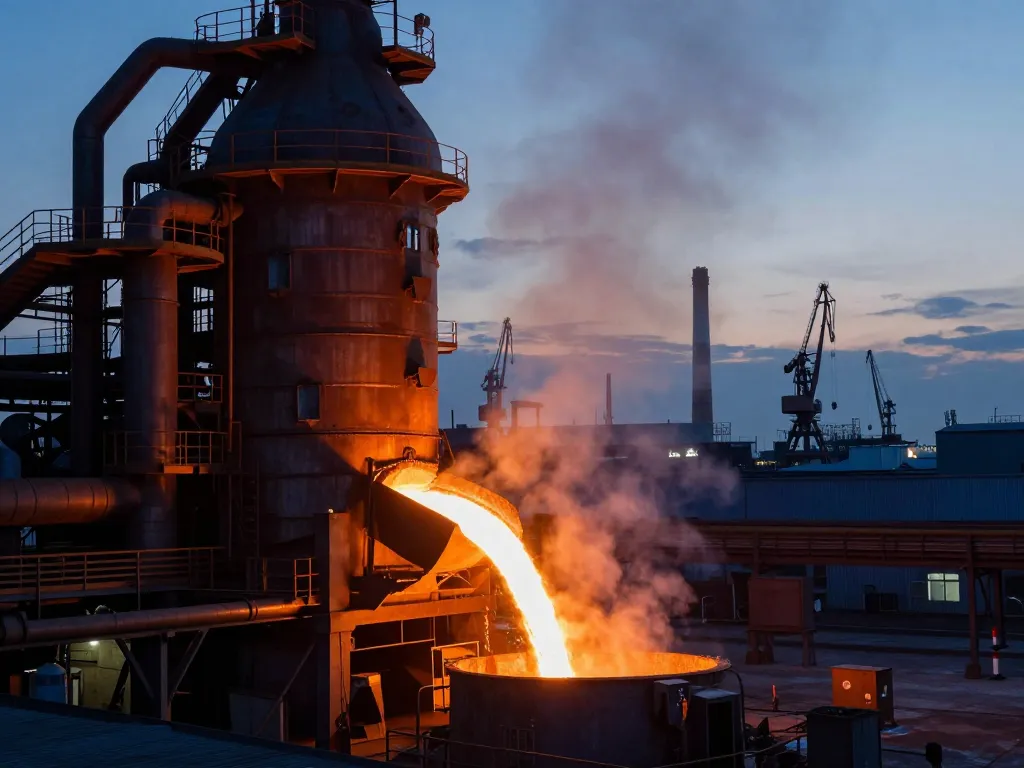
Structural steel is a category of steel used for making construction materials in a variety of shapes. This versatile material is known for its high strength-to-weight ratio, allowing it to support large loads while remaining relatively lightweight. It is manufactured in specific shapes, such as beams, columns, and plates, and is designed to be used in structural applications. Its properties include excellent durability, malleability, and resistance to corrosion, making it ideal for buildings and other structures.
The Importance of Proper Installation
The proper installation of structural steel is paramount for several reasons. Firstly, it ensures the safety and integrity of the structure. Any errors during installation can lead to catastrophic failures, risking lives and causing extensive financial losses. Secondly, proper installation adheres to building codes and regulations, which vary by region but are critical to ensuring a building can withstand environmental pressures. Finally, careful installation can improve a structure’s longevity and reduce maintenance costs over time.
Common Applications of Structural Steel
Structural steel is utilized across various sectors, showcasing its versatility:
- Commercial Buildings: High-rise office buildings, shopping malls, and hotels often rely on structural steel for their frameworks due to its strength and ability to span large distances.
- Industrial Structures: Factories, warehouses, and distribution centers benefit from the quick assembly and strong durability of structural steel.
- Bridges: Steel bridges are engineered for heavy loads and long spans, making structural steel an essential material in their development.
- Residential Homes: Increasingly, structural steel is used in residential construction to provide open floor plans and modern design aesthetics.
Planning Your Structural Steel Project
Key Considerations Before Installation
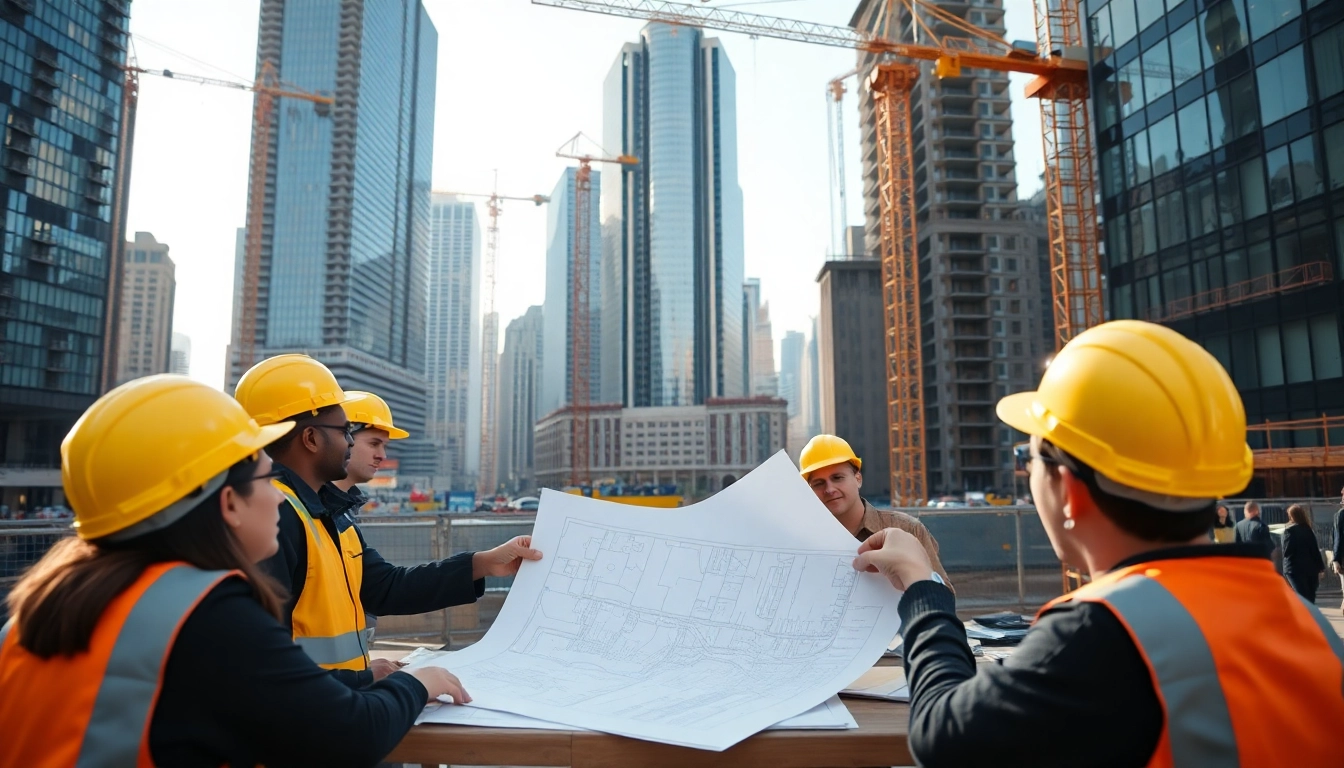
Proper planning is instrumental for successful structural steel projects. Key considerations include understanding local building codes, zoning laws, and environmental regulations. It is also essential to conduct soil tests and structural analyses to determine the appropriate type and amount of steel needed. Moreover, collaborating with architects and engineers will help align the project’s vision with practical implementation.
Selecting the Right Materials
Choosing the right materials for your structural steel installation involves selecting both the type of steel and additional components such as fasteners, coatings, and reinforcements. The type of steel—carbon steel, alloy steel, or stainless steel—will depend on the specific strength requirements, corrosive environments, and aesthetic goals of the project. Material suppliers should be assessed for quality and reliability to ensure the steel meets the necessary standards.
Budgeting and Timeline Management
Establishing a realistic budget and timeline is vital for keeping projects on track. Costs can escalate due to delays, so developing a comprehensive timeline that includes phases for procurement, fabrication, transportation, and installation is crucial. Also, it’s beneficial to allocate a contingency budget for unexpected circumstances such as design changes or material supply issues.
Best Practices in Structural Steel Installation
Safety Protocols to Follow
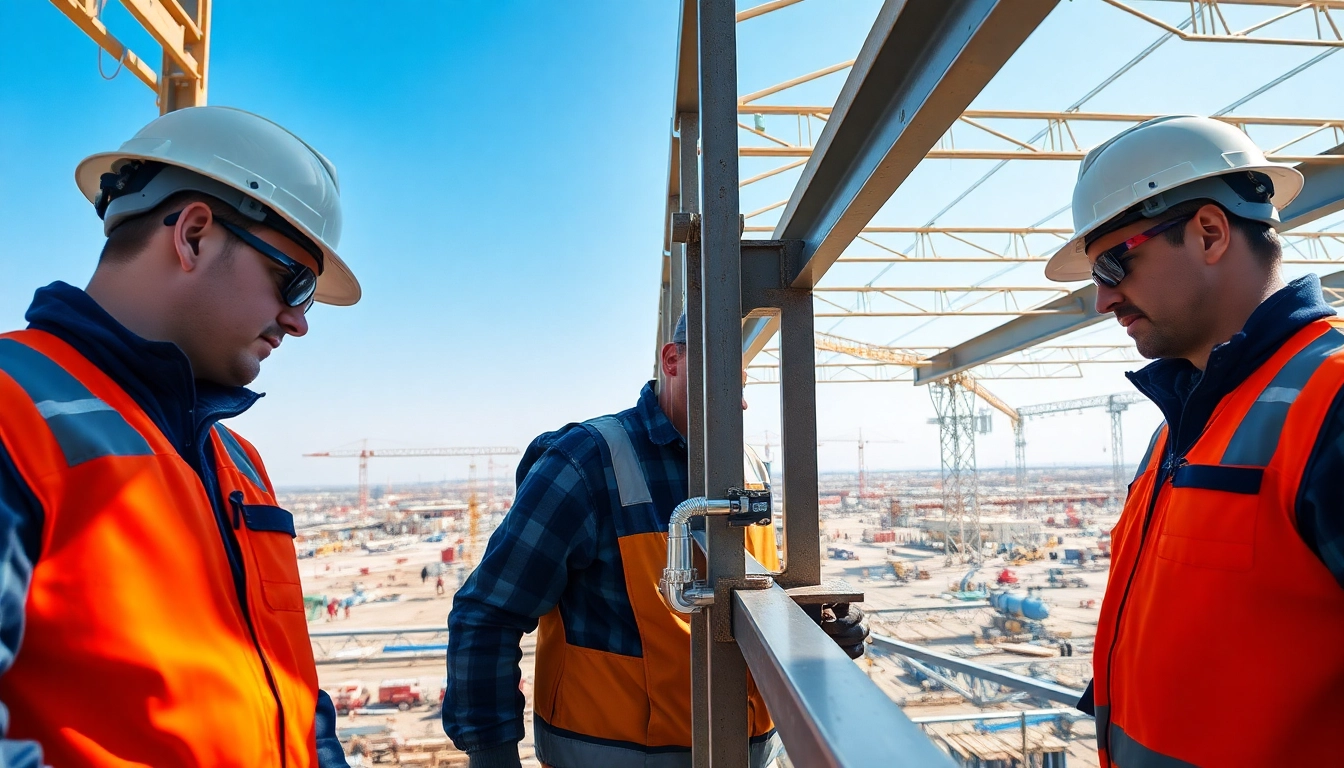
Safety is a top priority during structural steel installation. Workers must adhere to OSHA regulations, wearing appropriate personal protective equipment (PPE) and ensuring equipment is properly maintained and operated. Regular safety training and drills should be conducted to prepare the team for emergencies. Job site conditions should be monitored to avoid hazards such as falling objects or slips.
Effective Techniques for Installation
Utilizing effective installation techniques can streamline the construction process. Strategies may include using cranes or hoisting equipment to position large beams, employing bolt-and-weld connections to secure joints, and ensuring proper sequencing during installation to maintain structural integrity throughout the process. Innovation in technology, such as 3D modeling and Building Information Modeling (BIM), can enhance installation efficiency and accuracy.
Quality Assurance Practices
Quality assurance practices must be integrated throughout the installation phase. This includes conducting inspections at various stages—pre-fabrication, during installation, and post-installation. Implementing a detailed checklist can help identify potential issues early, ensuring compliance with design specifications and safety standards. Additionally, employing certified welders and inspectors will improve the quality of the finished product.
Common Challenges in Structural Steel Installation
Addressing Weather-Related Issues
Weather conditions can significantly affect installation timelines and safety. Rain, snow, or high winds can delay work and impose risks during operations. To mitigate these issues, projects should incorporate weather forecasts into planning, and adaptive measures should be established, such as materials storage solutions and contingency plans for unexpected weather interruptions.
Overcoming Supply Chain Disruptions
Supply chain disruptions can cause significant setbacks in timelines. To combat this, building strong relationships with multiple suppliers can provide alternatives during shortages. Additionally, pre-ordering materials and maintaining adequate inventory levels may buffer against unforeseen delays. Having backup suppliers for critical components is also advisable.
Mitigating Labor Shortages
Labor shortages in the construction industry are a growing concern, particularly for skilled trades. Preparing by investing in training programs can help cultivate a skilled workforce. Partnering with local trade schools for apprenticeships not only helps fill immediate workforce gaps but also builds a pipeline of talent for future projects.
Measuring Success in Structural Steel Installation
Key Performance Indicators (KPIs)
To measure the success of a structural steel installation, several Key Performance Indicators (KPIs) should be utilized. These might include project completion timeline adherence, budget variance, safety incident rates, and quality control metrics. Tracking these KPIs provides valuable insights into project performance and helps identify areas for improvement.
Post-Installation Evaluations
Conducting a thorough post-installation evaluation is crucial for ensuring the longevity and safety of the structure. This evaluation should include checking for structural integrity, assessing compliance with building codes, and gathering feedback from the installation team. Any identified issues should lead to immediate corrective actions, and lessons learned should be documented for future projects.
Long-Term Maintenance Considerations
The longevity of structural steel installations depends heavily on maintenance. Regular inspections should be scheduled to detect corrosion, fatigue, or other potential issues. Developing a long-term maintenance plan that includes cleaning, re-coating, and minor repairs can extend the lifespan of structural steel and ensure it continues to meet safety standards.