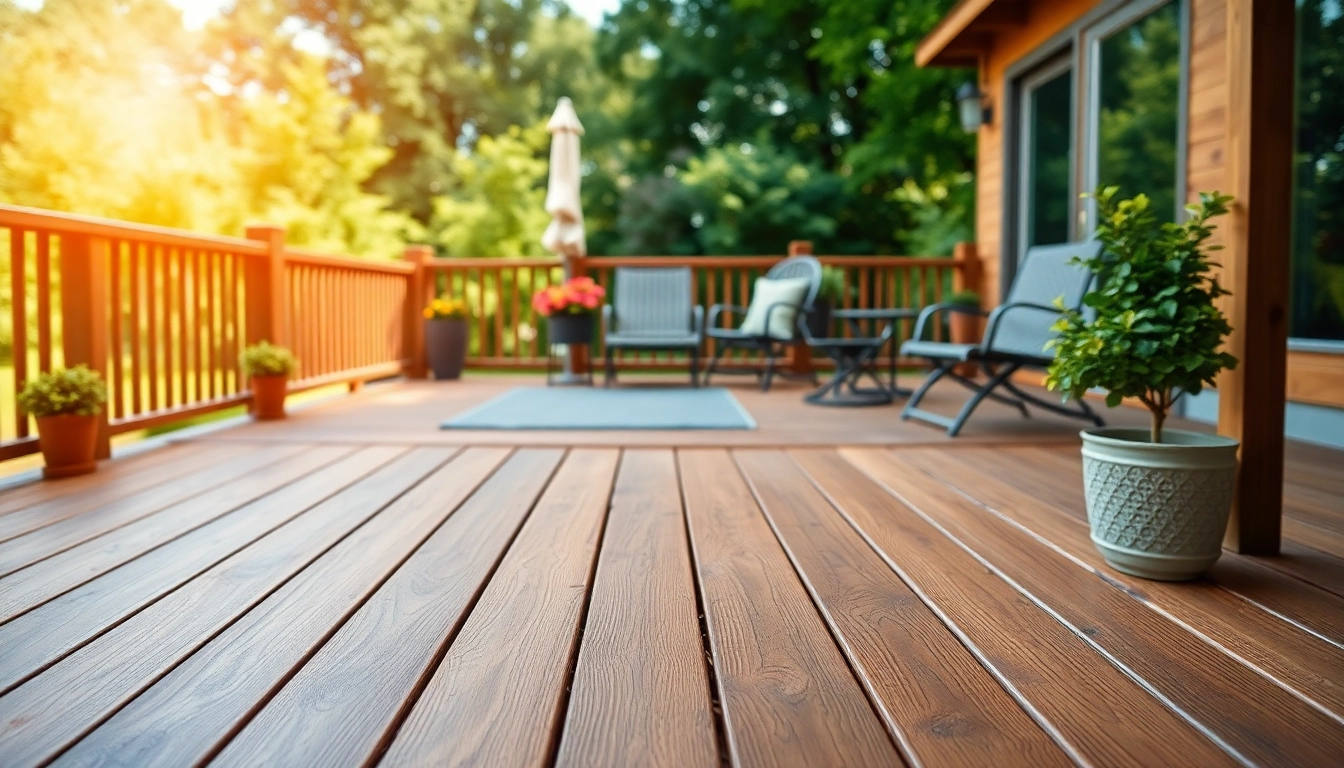
Understanding Deck Building Basics
Deck building is more than constructing a platform in your backyard; it’s about creating a space that harmonizes with your lifestyle and enhances your outdoor experience. Whether you want a cozy gathering spot or an outdoor kitchen, understanding the fundamentals of deck building is essential. In this guide, we’ll delve deep into every aspect of deck construction, from design and materials to maintenance and regulations.
What Is Deck Building?
Deck building refers to the process of designing and constructing an elevated flat surface, typically made of wood or composites, that connects to homes or other structures within a yard or outdoor area. A well-designed deck can serve various purposes, including leisure, social gatherings, or as an extension of your living space. By effectively planning and executing your deck project, you can create a seamless transition from the indoors to an inviting outdoor space.
Key Materials Used in Deck Building
Choosing the right materials is critical to ensure the durability and aesthetic appeal of your deck. Here are some common materials used in deck building:
- Pressure-Treated Wood: Affordable and widely used, it's resistant to rot and pests but requires regular maintenance.
- Composite Materials: Made from recycled plastics and wood fibers, they are low-maintenance and long-lasting.
- Redwood and Cedar: Naturally resistant to decay, these woods offer beautiful finishes but can be more expensive.
- Aluminum: Extremely durable and resistant to corrosion, aluminum decks are perfect for a sleek modern look.
Planning Your Deck Design
Proper planning is key to a successful deck project. Begin by considering the following elements:
- Purpose: Determine how you plan to use the deck—entertaining, relaxation, or dining can influence its design.
- Size and Layout: Consider your property’s dimensions and how the deck will integrate with existing landscaping.
- Style: Choose a style that complements your home, whether contemporary or traditional.
- Budget: Establish a realistic budget that includes materials, labor, and potential future costs.
Essential Tools for Deck Building
Having the right tools is essential for an efficient and effective deck building process. Ensuring you are well-equipped will minimize mistakes and enhance the quality of your work.
Must-Have Tools for Every Builder
Here’s a list of tools that every deck builder should consider:
- Measuring Tape: Accurate measurements are crucial for ensuring everything fits together properly.
- Level: Ensures that your deck is even and provides a stable surface.
- Circular Saw: A powerful tool for cutting large pieces of material quickly and efficiently.
- Drill: Necessary for creating pilot holes and driving screws into the material.
- Hammer: A staple tool for framing and securing boards.
How to Choose the Right Equipment
Selecting the right equipment involves balancing quality and price. When shopping for tools, consider:
- Ergonomics: Choose tools that are comfortable to use and reduce strain during lengthy projects.
- Durability: Invest in high-quality tools that will withstand heavy use.
- Warranty: Look for tools that come with a good warranty for peace of mind.
Maintenance Tools for Long-lasting Decks
Once your deck is built, specific tools will be necessary for maintenance:
- Deck Cleaner: Essential for removing mold and mildew.
- Sealing Equipment: Brushes or rollers for sealing the deck surface.
- Brushes and Scrapers: For cleaning and preparing the surface before sealing or staining.
Deck Building Techniques
Understanding the right techniques is key to achieving a durable and aesthetically pleasing deck. Here, we outline foundational techniques and finishing touches that will ensure your deck stands the test of time.
Foundational Techniques for Stability
The foundation of your deck must be well-planned to ensure stability and longevity:
- Posts and Beams: Begin with strong posts that bear the weight of the structure, followed by beams that support the joists.
- Concrete Footings: Properly poured footings are essential for stability, ensuring the deck is anchored to the ground.
- Joist Spacing: Follow local codes for spacing joists, generally 16 inches on-center, to improve load distribution.
Finishing Touches for Aesthetics
Once the structure is complete, focus on the aesthetics:
- Decking Arrangements: Choose a pattern (e.g., diagonal, horizontal) that complements the design of your home.
- Railing Systems: Incorporate railings for safety, selecting styles and materials that enhance the deck's appearance.
- Stains and Paints: A good finish not only beautifies the deck but also protects it from weathering.
Common Deck Building Mistakes to Avoid
Even experienced builders can make mistakes. Here are some common pitfalls to avoid:
- Ignoring Local Codes: Always check regulations before starting to avoid costly fines.
- Poor Planning: Make detailed plans to avoid unexpected design changes mid-project.
- Neglecting Drainage: Ensure proper drainage to prevent water pooling on the deck, which can lead to damage.
Deck Building Regulations and Permits
Before construction begins, understanding local building regulations is crucial to compliance and safety. Not adhering to these guidelines can lead to significant fines or project delays.
Understanding Local Building Codes
Each locality has specific building codes that govern deck building. These can include regulations on:
- Height Restrictions: Many places have limits on how high a deck can be built.
- Material Standards: Some communities require specific materials to be used based on environmental conditions.
- Load-Bearing Requirements: Ensures the deck is constructed to safely hold specified weights, which is particularly crucial for multi-level decks.
How to Obtain Necessary Permits
Before beginning your deck building project, you’ll need to acquire the necessary permits:
- Application Process: Prepare drawings and submit them along with your permit application.
- Fees: Be aware of any fees associated with obtaining permits, which can vary widely.
- Inspections: Some areas require inspections at various stages of construction to ensure compliance.
Best Practices for Compliance
To navigate regulations successfully, follow these best practices:
- Research: Thoroughly research local codes and zoning laws before purchasing materials.
- Engage Professionals: If in doubt, don’t hesitate to consult with architects or contractors familiar with local regulations.
- Documentation: Keep thorough records of all permits and compliance checks for future reference.
Maintaining Your Deck After Building
Once your deck is built, ongoing maintenance is essential to prolong its life and maintain safety. Regular maintenance protects your investment and keeps the deck looking beautiful.
Year-round Maintenance Tips
No matter the season, your deck requires attention for optimal longevity. Here are year-round maintenance tips:
- Spring: Conduct a thorough cleaning and check for any damage caused by winter weather.
- Summer: Regularly sweep and wash to remove dirt and debris, and check for splinters that may require sanding.
- Fall: Clear away leaves and debris, which can trap moisture and cause mold growth.
- Winter: Use a plastic shovel for snow removal; avoid metal shovels that can scratch the surface.
How to Restore and Revive Older Decks
Older decks may need restoration to maintain their functionality and appearance:
- Assess Damage: Inspect for rot, splintering, and loose boards; replace as needed.
- Sanding: Lightly sand any rough spots to create an even surface before refinishing.
- Refinishing: Consider staining and sealing every two to three years to prevent moisture damage.
Coating and Sealing for Longevity
Applying the right coatings is vital for protecting your deck:
- Sealants: Use sealants to create a barrier against moisture, helping to prevent wood rot.
- Stains: Select appropriate stains that also contain UV blockers to prevent fading from sunlight exposure.
- Regular Applications: Follow manufacturer recommendations for reapplication intervals to maintain protection.
FAQs About Deck Building
What type of wood is best for deck building?
Pressure-treated wood is a popular choice for its affordability and resistance to rot, while cedar and redwood offer natural beauty and durability.
Do I need a permit for deck building?
In most cases, yes. It’s essential to check local regulations and obtain necessary permits before starting your project.
How long does it take to build a deck?
The timeline depends on the deck's size and complexity, but a standard deck can take one to two weeks to complete.
Can I build a deck myself?
Yes! However, ensure you have the skills, tools, and knowledge of building codes to complete the project safely and correctly.
How often should I maintain my deck?
Regular maintenance, such as cleaning and sealing, should occur at least once a year to prolong the life of your deck.