Understanding Structural Steel Construction
Structural steel construction is a significant element of modern architecture and engineering, characterized by its durability, versatility, and strength. This material has revolutionized the building industry, offering innovative solutions for various construction needs. Structural steel construction provides essential support in structures ranging from residential buildings to massive infrastructures. Understanding the fundamentals of structural steel is critical for architects, engineers, and construction professionals aiming to leverage its benefits in their projects.
What is Structural Steel?
Structural steel is a category of steel used for making construction materials in a variety of shapes. It is designed to support loads and resistces forces, making it suitable for various construction applications. The specifications set forth by organizations such as ASTM International define structural steel characteristics, including composition, mechanical properties, and acceptable use. The principal alloying element in structural steel is carbon, with other elements such as manganese, silicon, and copper added to enhance specific properties.
Key Properties of Structural Steel
Structural steel possesses several key properties that contribute to its effectiveness in construction. These include:
- High Strength-to-Weight Ratio: Structural steel is lightweight while providing strength, making it ideal for tall buildings and large spans.
- Ductility: It can undergo significant deformation without failure, allowing for flexibility under mechanical stress.
- Fatigue Resistance: Structural steel can handle repeated loading cycles, making it suitable for applications such as bridges and skyscrapers.
- Corrosion Resistance: With proper treatment and coatings, structural steel can resist corrosion, prolonging the lifespan of structures.
Types of Structural Steel Used in Construction
Various types of structural steel are employed in construction, each with distinct applications:
- Steel Beams: Commonly used for framing and load-bearing applications, available in shapes like I-beams and H-beams.
- Steel Columns: Vertical structural elements providing support to beams and floors.
- Steel Plates: Thick steel sheets used in structural applications, fabricated to meet specific requirements.
- Steel Tubes: Hollow sections used for their strength and aesthetic appeal, commonly in framework.
The Advantages of Using Structural Steel in Construction
Cost-Effectiveness and Durability
Utilizing structural steel in construction can significantly reduce costs due to its longevity and the speed at which it can be fabricated and erected. Unlike traditional materials, structural steel does not warp, split, or crack, leading to lower maintenance costs and extended lifespan for structures. Additionally, with advancements in design and fabrication techniques, the associated labor costs have decreased over time.
Design Flexibility and Aesthetic Appeal
Structural steel allows architects and engineers to experiment with innovative designs while ensuring structural integrity. Its availability in numerous shapes and sizes provides flexibility in architectural design. This material can accommodate modern aesthetics, enabling the creation of visually striking buildings that incorporate large open spaces without the need for excessive support.
Environmental Sustainability
With the construction industry facing increasing scrutiny regarding environmental impact, structural steel presents a sustainable solution. It is highly recyclable, allowing for reduced waste and lower carbon footprints. Steel structures also tend to be energy-efficient, utilizing less energy in both manufacturing and throughout their lifespan when compared to traditional materials.
Common Structural Steel Construction Techniques
Fabrication and Assembly Processes
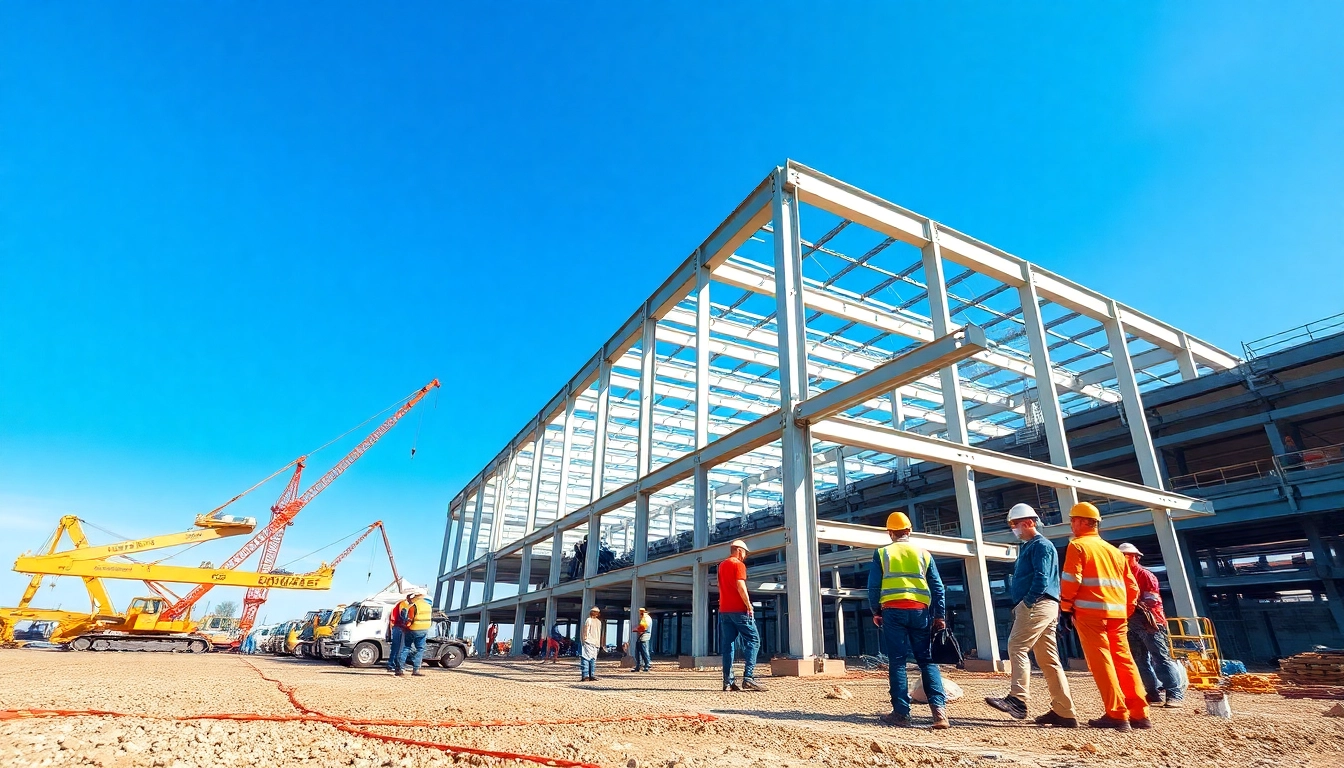
Fabrication of structural steel involves several stages, including cutting, shaping, and assembling components to form the final structure. Modern techniques employ advanced machinery to enhance precision and efficiency. During assembly, structural steel components arrive on-site pre-fabricated, allowing for quicker and more efficient erection. This reduction in on-site work not only minimizes labor costs but also shortens overall project timelines.
Welding and Connection Techniques
Welding is a crucial aspect of structural steel construction, providing strong and reliable connections between elements. Various welding techniques, such as Shielded Metal Arc Welding (SMAW) and Gas Metal Arc Welding (GMAW), are used depending on the application and material thickness. Additionally, bolted connections are often utilized where welding is impractical, providing a robust alternative.
Quality Control and Safety Measures
Ensuring the quality and safety of structural steel components involves stringent quality control measures. This includes inspections at multiple stages, from raw materials to the final assembled structure. Safety measures also encompass proper training for workers, compliance with safety regulations, and the use of personal protective equipment (PPE) to mitigate risks on construction sites.
Challenges in Structural Steel Construction
Addressing Environmental Factors
Environmental factors, such as extreme weather and corrosion, can impact structural steel performance. To combat this, project designers must consider appropriate materials and protective coatings. Furthermore, developing proper drainage and ventilation systems can help mitigate moisture-related issues, thereby prolonging the lifespan of steel structures.
Meeting Regulatory Standards
Structural steel construction must adhere to numerous industry codes and standards. Compliance with organizations like the American Institute of Steel Construction (AISC) ensures that structures meet structural integrity and safety requirements. Staying updated with evolving regulations is crucial for construction firms to avoid costly penalties and ensure project success.
Overcoming Supply Chain Issues
Supply chain disruptions can hinder the availability of steel products. To address this challenge, construction companies are increasingly diversifying their suppliers and materials sourcing strategies. Implementing just-in-time inventory practices allows firms to maintain project timelines while minimizing excess inventory costs.
Future Trends in Structural Steel Construction
Innovative Materials and Technologies
As technology advances, new materials and methods are emerging in structural steel construction. High-strength steel and weathering steel are becoming more prevalent, offering superior performance at reduced weights. Innovations such as 3D printing of steel components are exploring faster and more efficient fabrication methods.
Smart Construction Techniques
The integration of smart technologies into construction processes is transforming the industry. Building Information Modeling (BIM) enables enhanced visualization and project management, allowing teams to better understand structural designs and optimize workflows. Additionally, the use of drones for site surveying and monitoring enhances accuracy and efficiency throughout construction.
Global Market Trends and Projections
As global population growth and urbanization continue to rise, the demand for structural steel is expected to surge. Markets in Asia-Pacific and North America are projected to see considerable growth, driven by increased investments in infrastructure and real estate development. Sustainability trends are also influencing demand, as more clients seek efficient and environmentally friendly solutions.