Understanding the Benefits of Soft Wash Techniques
In the world of exterior cleaning, soft wash has emerged as a standout method, especially in regions like Kissimmee, Florida, where high humidity encourages mold and mildew growth. Unlike traditional pressure washing, which can be harsh and damaging to sensitive surfaces, soft washing uses low-pressure techniques combined with specialized cleaning solutions to effectively remove dirt, algae, and grime. This approach not only cleans but also protects your property, making it an appealing choice for homeowners and commercial property managers alike.
What is Soft Washing?
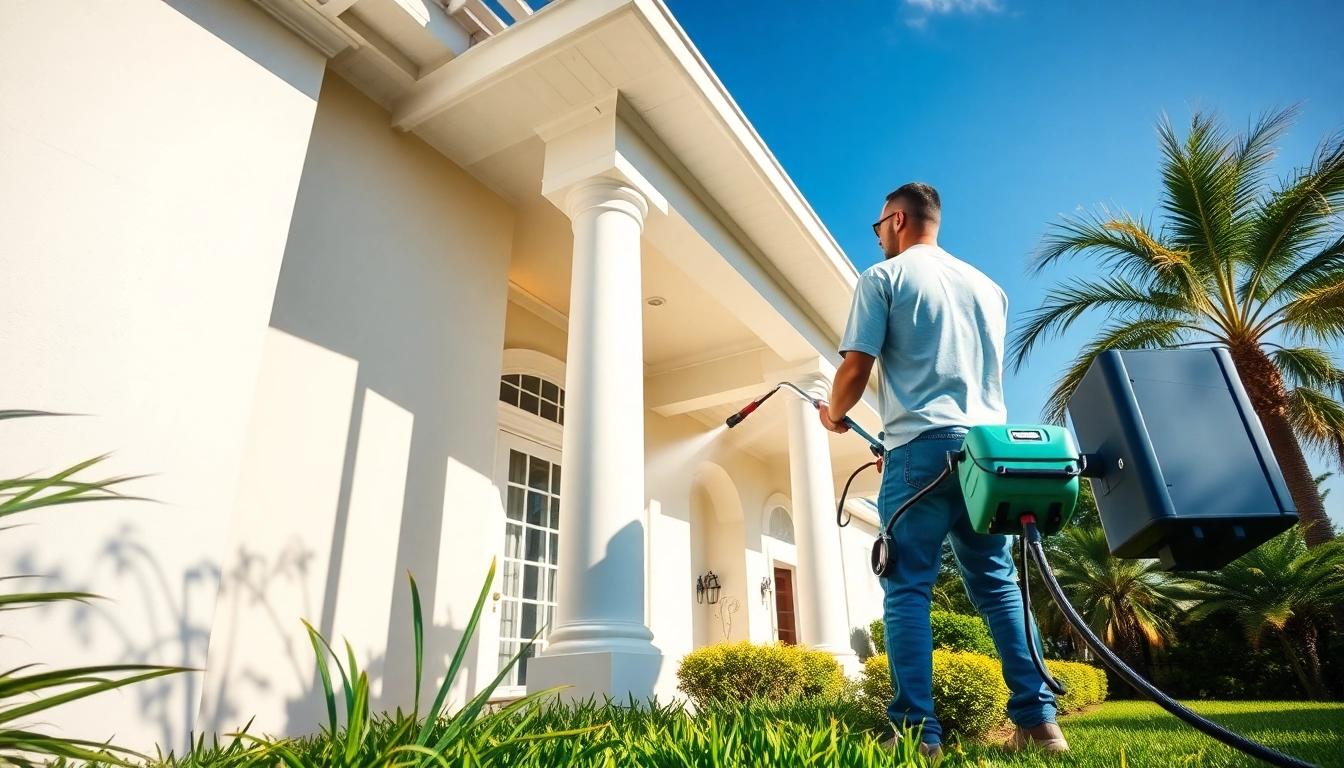
Soft washing is a cleaning method that involves applying a low-pressure water spray and a biodegradable cleaning solution to surfaces. This technique is effective on a variety of materials, including roofs, siding, and fences, and is particularly useful for delicate surfaces that could easily be damaged by high-pressure water. The cleaning agents used in soft washing penetrate surface molds and stains, allowing them to be washed away without the risk of damage that often accompanies traditional pressure washing methods.
Benefits of Soft Wash for Different Surfaces
Soft washing is advantageous for various surfaces due to its gentle, yet effective cleaning power. Here are some key benefits:
- Roofs: Soft washing extends the life of your roof by eliminating algae and debris while preventing the need for costly repairs.
- Siding: It safely cleans vinyl and wood siding without causing any scrapes or cracks often associated with high-pressure washing.
- Fences and Decks: The technique revitalizes outdoor structures without stripping away paint or damaging the wood.
- Commercial Properties: Soft washing enhances curb appeal for storefronts and office buildings, drawing in more customers.
Comparison: Soft Wash vs. Traditional Pressure Washing
When considering exterior cleaning methods, it's essential to understand the differences between soft washing and traditional pressure washing. While pressure washing utilizes high-pressure jets of water to blast away dirt, it can cause damage to sensitive surfaces and may not effectively eliminate mold spores. In contrast, soft washing is a safer alternative that uses low-pressure techniques and environmentally friendly cleaning solutions to provide thorough cleaning without the risk of damage.
Additionally, soft washing is generally more effective at killing mold and algae at their roots, which helps prevent regrowth. This long-lasting solution not only maintains the aesthetic appeal of your property but also contributes to its structural health.
Choosing the Right Soft Wash Service Provider
With the rise in popularity of soft wash techniques, selecting the appropriate service provider is crucial to achieving optimal results. Here are several key factors to consider:
Key Factors to Consider When Hiring
- Experience: Look for companies with extensive experience in soft washing. Their expertise will ensure a thorough and safe cleaning of your property.
- Reviews and Testimonials: Check online reviews and ask for references to gauge the quality of service provided by potential companies.
- Insurance and Licensing: Ensure that the contractor is licensed and insured to protect yourself from potential liabilities.
What to Ask Your Potential Provider
Before hiring a soft wash service provider, it is beneficial to ask the following questions:
- What methods and products do you use for soft washing?
- Can you provide references from previous clients?
- What is your process for assessing the areas that need cleaning?
- How do you ensure environmental safety during the cleaning process?
Red Flags to Avoid in Soft Washing Services
Be cautious of service providers that exhibit the following red flags:
- High-Pressure Sales Tactics: If a company pushes you to book their services without answering your questions adequately, it may indicate a lack of transparency.
- No Written Estimates: Avoid contractors who only provide verbal estimates without a detailed written quote.
- Lack of Credentials: Be wary of companies that cannot provide proper licensing and insurance documentation.
Pricing and Cost Considerations for Soft Washing
Understanding the pricing for soft washing services can help you budget appropriately and get the most value for your investment. Various factors influence the cost of soft washing, and being informed can help you make better decisions.
Average Costs for Residential Soft Washing
Typically, the price of soft washing a residential property ranges from $0.20 to $0.80 per square foot. For an average-sized home, homeowners may expect to pay between $450 and $750. These costs can fluctuate based on factors like the type of siding, accessibility, and the extent of staining or mold present.
Factors Influencing Soft Wash Pricing
- Size of the Area: Larger areas will naturally incur higher costs due to the increased labor and materials required.
- Surface Material: Different materials may require specialized cleaning solutions or techniques, affecting the overall price.
- Condition of Surfaces: Heavily soiled surfaces will often require additional cleaning and preparation, increasing the cost.
Understanding Quotes and Estimates
Obtaining detailed quotes is essential for transparency and ensuring you’re getting a fair price. A reputable service provider should offer a clear breakdown of their costs, including labor, materials, and any additional fees. Always compare several estimates to ensure you are making an informed decision.
DIY Soft Washing: Is It Right for You?
While hiring professionals is often the best choice for extensive cleaning tasks, some homeowners may consider a DIY approach to soft washing. Understanding the necessary tools and techniques is essential for successful results.
Essential Tools and Supplies for DIY Soft Washing
Here is a list of essential tools and supplies that you will need for a DIY soft washing project:
- Low-pressure sprayer: Typically, a garden sprayer or a pressure washer with a low-pressure setting.
- Biodegradable cleaning solution: This is crucial for effectively removing mold and dirt.
- Protective gear: Gloves, goggles, and masks to protect against chemicals.
- Water supply: Ensure you have access to a water source during the cleaning process.
Step-by-Step Guide to Soft Washing Your Home
Follow these steps to perform a successful DIY soft wash:
- Add the cleaning solution to your sprayer according to the manufacturer's instructions.
- Thoroughly wet the surface before applying the cleaning solution to help it adhere.
- Apply the cleaning solution from the bottom up, allowing it to dwell for the recommended time.
- Rinse the surface from the top down, ensuring that all cleaning agents are washed away.
Common Mistakes to Avoid When DIY Soft Washing
It's important to be mindful of common mistakes that can lead to poor results:
- Using High Pressure: Avoid using high pressure, which may damage the surface.
- Neglecting Safety Gear: Always wear protective clothing to safeguard against chemicals.
- Ignoring Weather Conditions: Avoid soft washing during windy or rainy conditions to ensure optimal results.
Future Trends in Soft Washing for 2025 and Beyond
As the cleaning industry evolves, several trends are emerging that may shape the future of soft washing in the coming years.
Innovations in Eco-Friendly Cleaning Solutions
With growing environmental consciousness, there is a rising demand for eco-friendly cleaning products. Future solutions are likely to use more biodegradable and plant-based ingredients that are effective yet safe for the environment.
Increasing Popularity of Soft Wash Techniques
As more property owners become aware of the benefits of soft washing, its popularity will continue to grow. Education on its advantages over traditional pressure washing will be critical in this trend.
The Role of Technology in Soft Washing Services
Advancements in technology will play a significant role in soft washing, from more precise spraying equipment to improved eco-friendly cleaning solutions. Companies that invest in new technologies will provide enhanced services, helping them stand out in a competitive market.