Understanding the Essentials of Fly Fishing Rods
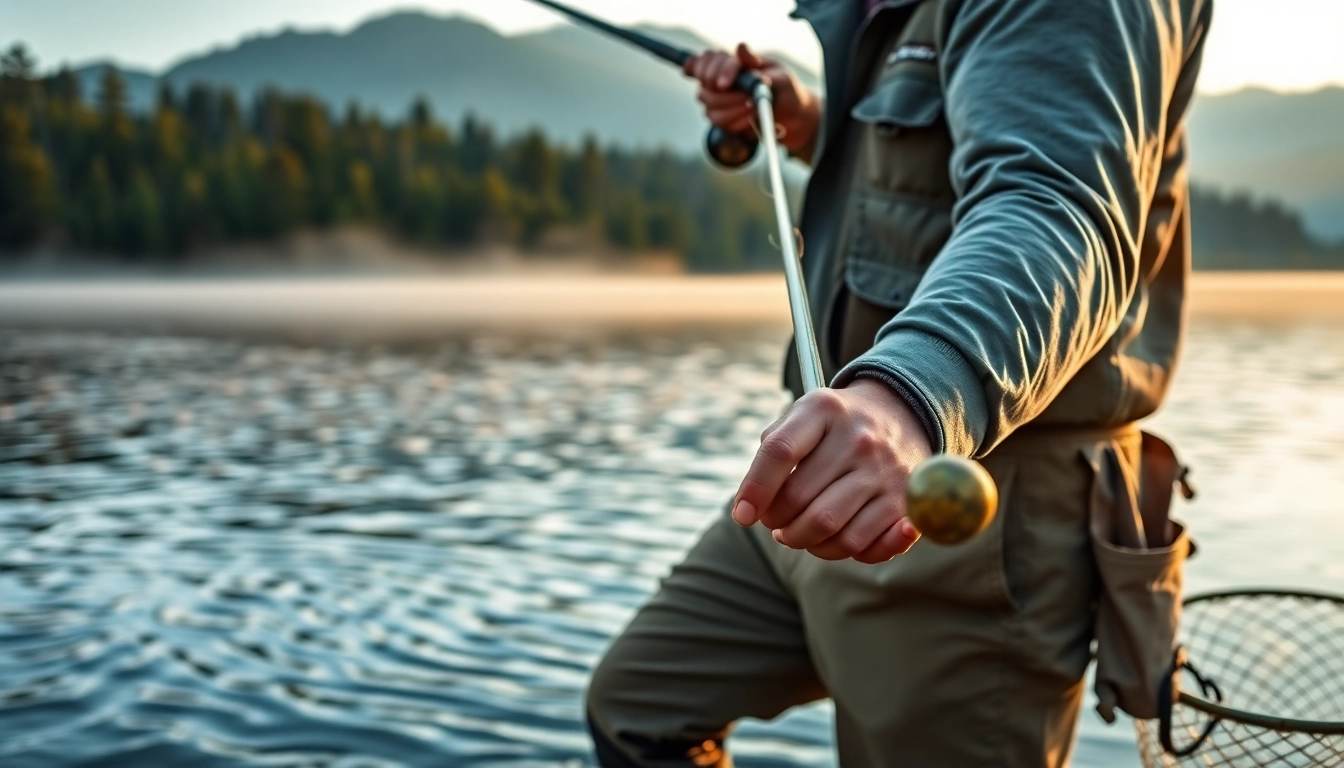
Fly fishing is not just a sport; it's an art form that connects anglers with nature, patience, and skill. The cornerstone of every fly fisher’s toolkit is the fly fishing rod. Choosing the right rod can make a significant difference in your fishing experience, impacting everything from casting distance to accuracy in catching fish. Factors such as the type of water you’re fishing in, the species of fish, and your individual fishing style all play a vital role in determining which rod is best suited for you. To discover the best fly fishing rods, one must first understand what differentiates the great from the mediocre.
What Defines the Best Fly Fishing Rods?
The best fly fishing rods are characterized by their performance, durability, and suitability for various conditions. A high-quality rod should provide anglers with a balance of flexibility and strength, allowing them to make precise casts and handle different fishing situations seamlessly. Top rods enhance the experience of casting and allow anglers to feel every nibble that a fish gives. An essential consideration is the rod’s action, which pertains to how much it bends when under load—the faster the action, the more sensitive the rod tends to be. Yet, a slower action rod can provide better casting control, making it necessary to understand how each rod fits your personal style.
Key Features to Look For
- Rod Length: Ranging from 7 to 10 feet or more, the right length can improve casting distance and accuracy.
- Weight (Line Weight): Corresponding with the weight of the line, this affects your casting ability and the types of fish you can target.
- Action: Fast, medium, and slow action rods each have unique advantages depending on the fishing conditions.
- Material: Graphite is popular for its lightweight durability, while fiberglass offers excellent flexibility.
- Handle Type: Rod handles can range from cork to foam, impacting comfort and control during long fishing sessions.
Different Types of Fly Fishing Rods Explained
Fly fishing rods can be categorized into several types based on their design and intended use. Some of the most common types include:
- Single-Handed Rods: These are typical for most freshwater fishing scenarios, providing versatility for various techniques.
- Two-Handed Rods: Also known as Spey rods, these rods are ideal for large rivers and allow for longer casting distances without needing to overhead cast.
- Switch Rods: A hybrid between single and two-handed rods, they can be casted with either hand and offer flexibility for various fishing scenarios.
- Saltwater Rods: Made to withstand harsher conditions, including salt corrosion, these rods are designed for larger fish found in coastal areas.
- Travel Rods: These rods are compact and can be easily assembled, perfect for anglers on the go.
Choosing the Right Fly Fishing Rod for Your Needs
Finding the right fly fishing rod can be overwhelming given the multitude of options available. However, breaking down your requirements based on your skill level, fishing style, and the specific conditions you’re likely to encounter can simplify the process.
Assessing Your Skill Level and Fishing Style
Your skill level significantly impacts the type of rod you should choose. Beginners may benefit from more forgiving rods that offer ease of use, while experienced anglers might seek advanced rods that provide greater sensitivity and performance. Additionally, consider your fishing style—are you primarily catching trout in lakes, or are you pursuing salmon in tidal rivers? Each scenario demands a unique rod design, action, and length.
Budgeting for Quality: What to Expect
The price of fly fishing rods can vary dramatically, from budget-friendly options to high-end professional gear. As a general rule, higher-quality rods tend to be more expensive, but they also often feature better materials and construction, leading to enhanced durability and performance. A good entry point for beginners is around $100 to $200, while intermediate and advanced anglers may look at rods well exceeding $300. Assessing your budget often comes down to balancing the initial purchase against the long-term value and enjoyment you'd gain from the rod.
Matching Rods with Your Favorite Fishing Destinations
It’s essential to match your rod selection with the locations where you plan to fish. Different environments—such as lakes, rivers, and oceanfronts—demand specialized gear due to factors like wind, water type, and the size of target fish. For example, a longer rod may be beneficial in a large lake for casting distance, while a medium-length, fast-action rod might be better suited for larger streams with precise casting needs. Consider the predominant species in your fishing spots to ensure you have the right tackle to maximize your chances of success.
Top Brands: A Review of Best Fly Fishing Rods
Many brands specialize in fly fishing rods, each offering unique advantages, performance features, and price points. Below, we will delve into some of the top brands in the market today, comparing their offerings based on performance, feedback from seasoned anglers, and notable innovations.
Brand Comparisons: Performance and Features
Some of the most renowned fly fishing rod brands include:
- Orvis: Known for their premium quality, Orvis rods are often considered some of the best in the industry. They provide a range of options suitable for beginners and advanced fishermen alike.
- Scott: Scott rods are famous for their lightweight feel and innovative technology, catering to discerning anglers who prioritize performance.
- Sage: This brand is synonymous with premium quality and cutting-edge technology, focusing on the needs of competitive anglers.
- Echo: Following a more budget-friendly approach, Echo rods do not compromise on performance, providing excellent value for entry to intermediate anglers.
- Reddington: They offer a well-rounded lineup of rods that cater to various fishing styles, skill levels, and budgets.
User Reviews: Insights from Experienced Anglers
Reading user reviews can provide valuable insights into which rods perform best in real-world conditions. Experienced anglers often share detailed feedback on aspects such as casting distance, rod sensitivity, and overall durability. For example, many users commend the Orvis Clearwater for its perfect balance between affordability and performance, while the Sage X is praised for its responsiveness, making it a favorite among tournament anglers.
Innovations in Rod Design and Technology
The fly fishing industry continues to advance with innovations that enhance the fishing experience. Key developments include:
- Graphene and Carbon Fiber Materials: Many brands are integrating graphene and high-modulus carbon fiber into their rod designs, resulting in lighter rods without sacrificing strength.
- Reduced Rod Weight: Innovation cycles aim to minimize overall rod weight, allowing for longer casting without fatigue.
- Improved Ergonomic Handles: Manufacturers are designing handles that provide better grip and comfort, which is critical for long hours on the water.
Care and Maintenance of Fly Fishing Rods
Like any specialized gear, fly fishing rods require regular maintenance and care to ensure longevity and optimal performance. Proper care involves not just cleaning but also understanding how storage and upgrades can enhance your fishing experience.
Essential Maintenance Tips for Longevity
To keep your fly fishing rod in peak condition, it’s vital to follow a few maintenance practices:
- Regular Cleaning: After each use, rinse your rod in fresh water to remove dirt and salt, especially if used in saltwater conditions.
- Inspect for Damage: Regularly check guides, rod sections, and ferrules for signs of damage or wear—the earlier you address these issues, the better.
- Store Properly: Utilize a rod tube or sleeve which will protect it during storage or transport.
Storage Solutions for Protection
Proper storage is crucial to extend the lifespan of your fly fishing rod. Always avoid leaving your rod in high-temperature areas, such as the car on a hot day, as heat can damage rod integrity. Additionally, separating rod sections—using cases that accommodate individual rods or tube systems—ensures that they do not get scratched or damaged during transport.
Upgrades: When and Why to Consider
Upgrading your fly fishing rod should be based on your evolving skill level, fishing needs, and any damage your current rod may have sustained. An upgrade is often advisable if:
- You are transitioning from beginners’ gear and want to enhance performance.
- Your primary fishing venues have changed, requiring different specifications.
- Your skills have evolved, and you're looking for rods that provide more sensitivity and performance.
Advanced Techniques to Enhance Your Fishing Experience
Once you have selected the best fly fishing rod for your needs, mastering advanced techniques can further elevate your fishing experience. These include refined casting techniques, proper fly selection, and adapting to seasonal changes.
Mastering Casting Techniques with the Best Fly Fishing Rods
Developing proficient casting techniques is essential to maximize your fishing efforts. Techniques such as the roll cast, double haul, and presentation casts can enhance your efficiency on the water. Practicing these techniques can lead to not only improved distance and accuracy but also greater control over your flies in varying conditions.
Matching Fly Selection with Your Rod
The synergy between your fly fishing rod and the flies you choose is critical. Selecting flies that match the weight and action of your rod can dramatically improve your success rates. For instance, lighter flies may work better with rods boasting slower action, while larger and heavier flies are better suited for faster-action rods. Take the time to learn about local insect hatches and the fish’s preferred prey at the locations you frequent.
Adapting to Seasonal Changes in Fishing
Fly fishing is inherently affected by seasons—water temperatures, fish spawning cycles, and weather conditions all influence fish behavior. Understanding how these seasonal shifts impact the fish's feeding and breeding patterns allows anglers to adapt their strategies. For example, as temperatures rise in spring, fish become active, making this an optimal time for dry fly fishing. Conversely, during the winter months, anglers may find greater success with nymphing techniques.