Understanding Structural Steel Construction
Structural steel construction is an integral part of modern architectural and engineering practices. Leveraging the strength and versatility of steel, this method forms the backbone of buildings, bridges, and various infrastructures. As the construction industry evolves, understanding the nuances of structural steel construction becomes increasingly essential for architects, engineers, and builders alike.
What is Structural Steel?
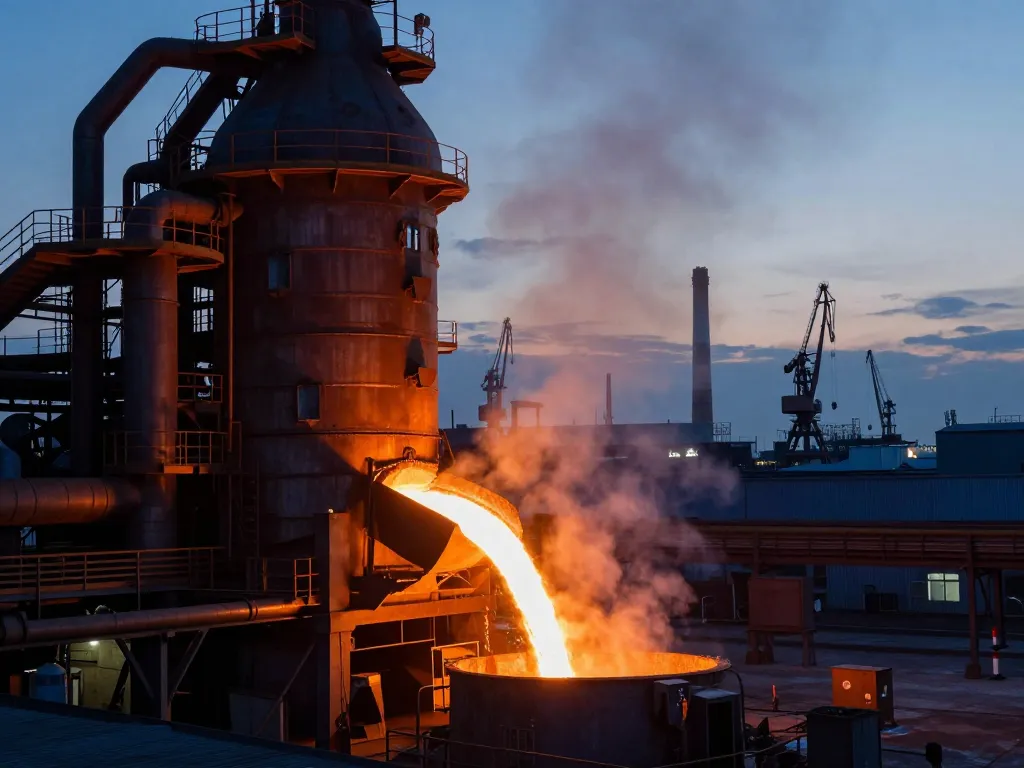
Structural steel is a form of steel that combines iron with varying amounts of carbon, typically between 0.05% to 2.1%, to create a material especially suited for construction. Its inherent properties—such as tensile strength, ductility, and low weight—make it fundamentally different from other metals. Structural steel is utilized to create a variety of shapes, including beams, columns, and plates, which contribute to the structural integrity of buildings.
Types of Structural Steel Materials
Structural steel can be categorized into several types based on composition, treatment, and intended use:
- Carbon Steel: The most common type, known for its high strength-to-weight ratio and cost-effectiveness.
- Alloy Steel: Contains additional alloying elements like manganese and nickel, which enhance specific properties, such as corrosion resistance.
- Stainless Steel: Offers exceptional resistance to oxidation and corrosion, making it ideal for harsh environments.
- High Strength Low Alloy Steel (HSLA): Specifically designed to provide higher strength at lower weights, enhancing the durability of structures.
Importance of Standards in Construction
Adhering to industry standards is crucial in structural steel construction to ensure safety, durability, and performance. In the United States, this typically involves compliance with standards set forth by organizations such as ASTM International and the American Institute of Steel Construction (AISC). These standards guide material properties, fabrication methods, and design specifications, ensuring that engineers have a reliable framework to work within.
Advantages of Structural Steel Construction
Cost-effectiveness and Longevity
One of the primary advantages of using structural steel is its cost-effectiveness. Due to its strength-to-weight ratio, structural steel requires less material than traditional masonry materials, which can significantly reduce overall project costs. Additionally, when well-maintained, structural steel components can have a lifespan of over 50 years, ensuring long-term value. Corrosion-resistant coatings and regular inspections further extend the life of steel structures.
Design Flexibility and Aesthetic Appeal
Structural steel offers remarkable design flexibility, allowing architects to create innovative and striking designs. The material can be easily molded into various shapes and sizes, accommodating the unique requirements of contemporary architectural projects. Moreover, its aesthetic qualities can enhance visual appeal, and when left exposed, it adds a contemporary, industrial character to buildings.
Environmentally Sustainable Practices
In an era where sustainability is a key concern, structural steel construction stands out as an environmentally friendly option. Steel is recyclable and can be repurposed without losing its inherent properties. Moreover, using lightweight structural steel reduces energy consumption during transportation and erection, contributing to a smaller carbon footprint for construction projects. Notably, buildings made of steel can also achieve higher energy efficiency through better insulation and design.
Basic Methods of Structural Steel Construction
Fabrication Techniques for Structural Steel
The fabrication of structural steel is a sophisticated process involving cutting, bending, welding, and assembling steel into the desired shapes. Off-site fabrication allows for precision manufacturing of components, which can speed up the construction process on-site. Techniques such as CNC cutting and robotic welding are increasingly utilized to enhance efficiency and accuracy, ensuring that each piece meets design specifications perfectly.
Common Erection Methods
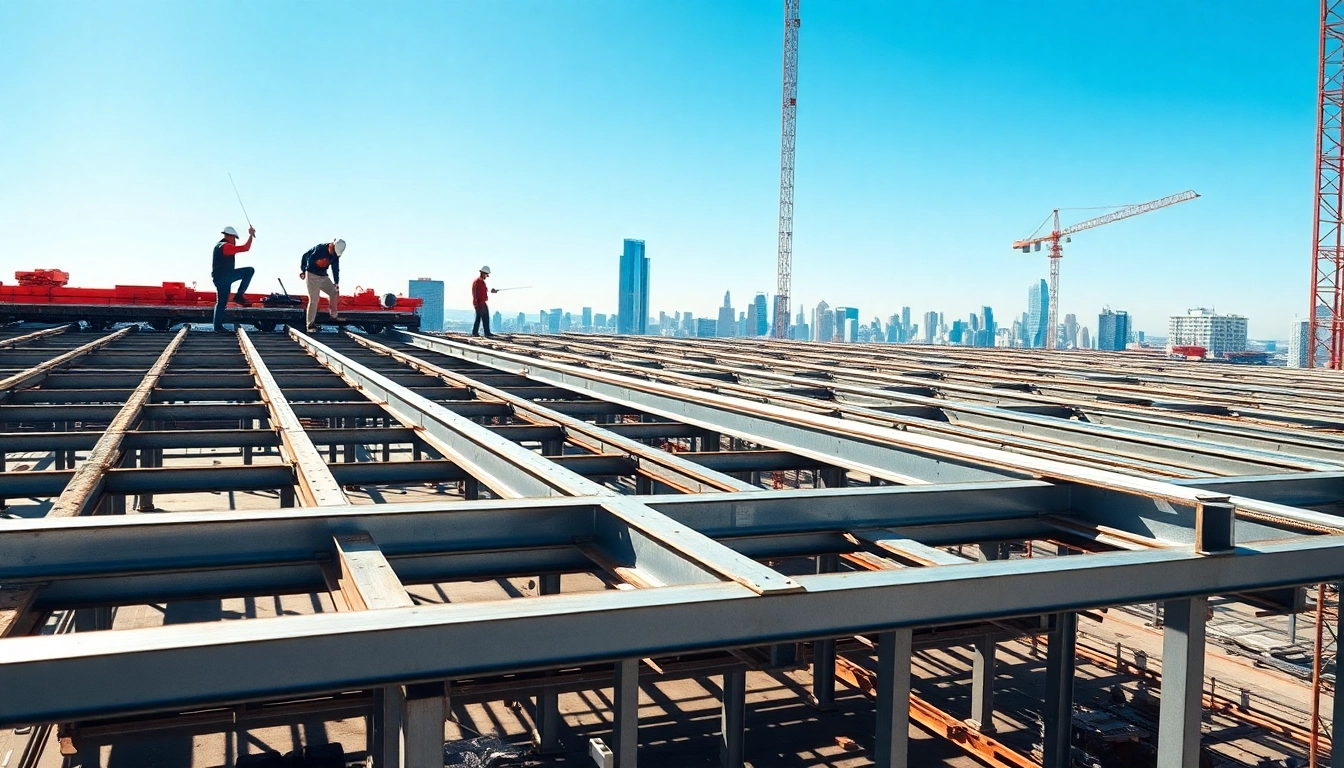
Erection is the assembly of fabricated steel components on-site, necessitating careful planning and execution. Common methods include:
- Conventional Erection: Involves cranes to lift and place components sequentially, requires high coordination and skilled labor.
- Prefabrication: Components are preassembled in sections off-site and transported to the project, allowing for faster assembly on-site.
- Modular Construction: Elements are built as modules that can be easily transported and assembled, reducing construction time and improving quality control.
Safety Protocols on Construction Sites
Safety in structural steel construction cannot be overstated. Strict adherence to safety protocols is essential to minimize accidents and injuries. Site-specific safety plans should include comprehensive training for workers on the use of personal protective equipment, safe lifting techniques, and fall prevention measures. Regular audits and safety drills also contribute to creating a culture of safety on construction sites.
Best Practices for Structural Steel Construction
Planning and Design Considerations
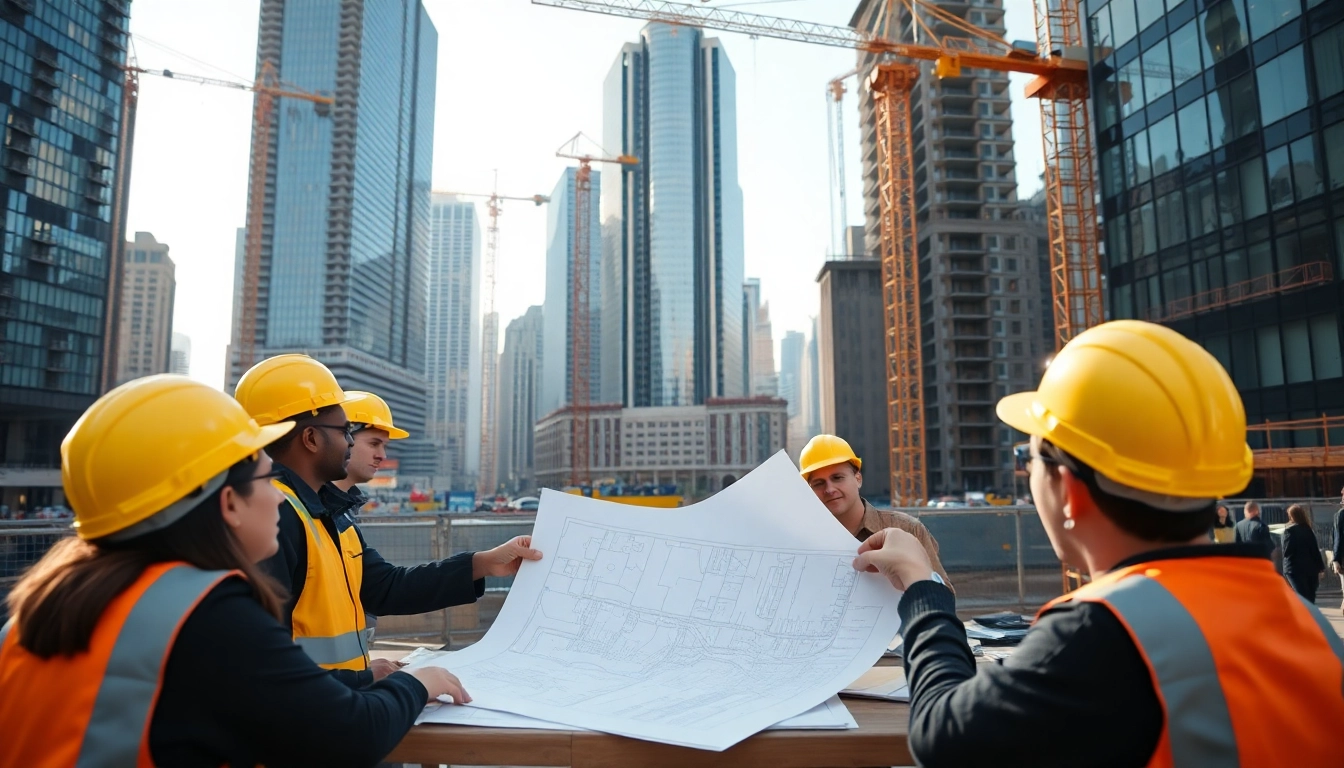
Effective planning is foundational to successful structural steel construction. Before commencing a project, detailed architectural designs must be prepared, followed by structural analyses to determine load capacities and stress factors. Collaboration between architects, engineers, and construction teams early in the planning phase can lead to more efficient designs and smoother construction processes.
Quality Control and Inspection Processes
Quality control is critical throughout the fabrication and erection stages. Subjecting components to rigorous testing and inspections ensures compliance with safety and quality standards. Common practices include visual inspections, non-destructive testing (NDT), and load testing of assembled structures. Documentation of these processes is crucial for future reference and compliance verification.
Project Management Strategies
Successful project management in structural steel construction involves coordinating various stakeholders, managing timelines, and controlling budgets. Effective communication between teams is vital to mitigate risks and address any potential issues promptly. Utilizing project management software can streamline coordination efforts and provide real-time updates on project statuses.
Future Trends in Structural Steel Construction
Emerging Technologies and Innovations
The structural steel construction industry is witnessing rapid technological advancements, including the integration of Building Information Modeling (BIM), which enables digital visualization of projects before construction begins. This technology allows for better planning, enhanced collaboration, and reduced waste. Moreover, automation in fabrication processes is on the rise, leading to faster production and improved accuracy.
Integration of Sustainable Materials
Future trends indicate a movement towards integrating more sustainable materials into structural steel construction. Innovations like net-zero carbon steel production and the use of recycled aggregates are gaining traction. Hybrid construction models that combine various materials with steel are also being explored to enhance sustainability while maintaining structural integrity.
Expected Changes in Industry Standards
As environmental concerns intensify, changes in industry standards are anticipated to promote sustainable practices within structural steel construction. Future revisions may include stricter guidelines on material sourcing, energy efficiency in design, and end-of-life recycling practices. Staying informed about these changes is crucial for stakeholders to remain compliant and competitive in the evolving market.
Frequently Asked Questions
What is structural steel construction?
Structural steel construction involves using steel structures to provide strength and flexibility in building. It complies with ASTM standards and is essential for modern architecture.
How long does structural steel last?
With proper maintenance, structural steel can last over 50 years. Factors like material quality, environmental conditions, and regular upkeep significantly influence longevity.
What are the main types of structural steel?
The primary types include carbon steel, alloy steel, and stainless steel, each with unique characteristics suitable for various structural applications.
What are the benefits of using structural steel?
Structural steel offers advantages such as durability, design flexibility, sustainability, and shorter erection times, making it a preferred choice in modern construction.
How is structural steel fabricated?
Fabrication involves cutting, bending, and welding steel to create specific shapes according to architectural specifications, optimizing for strength and durability.