
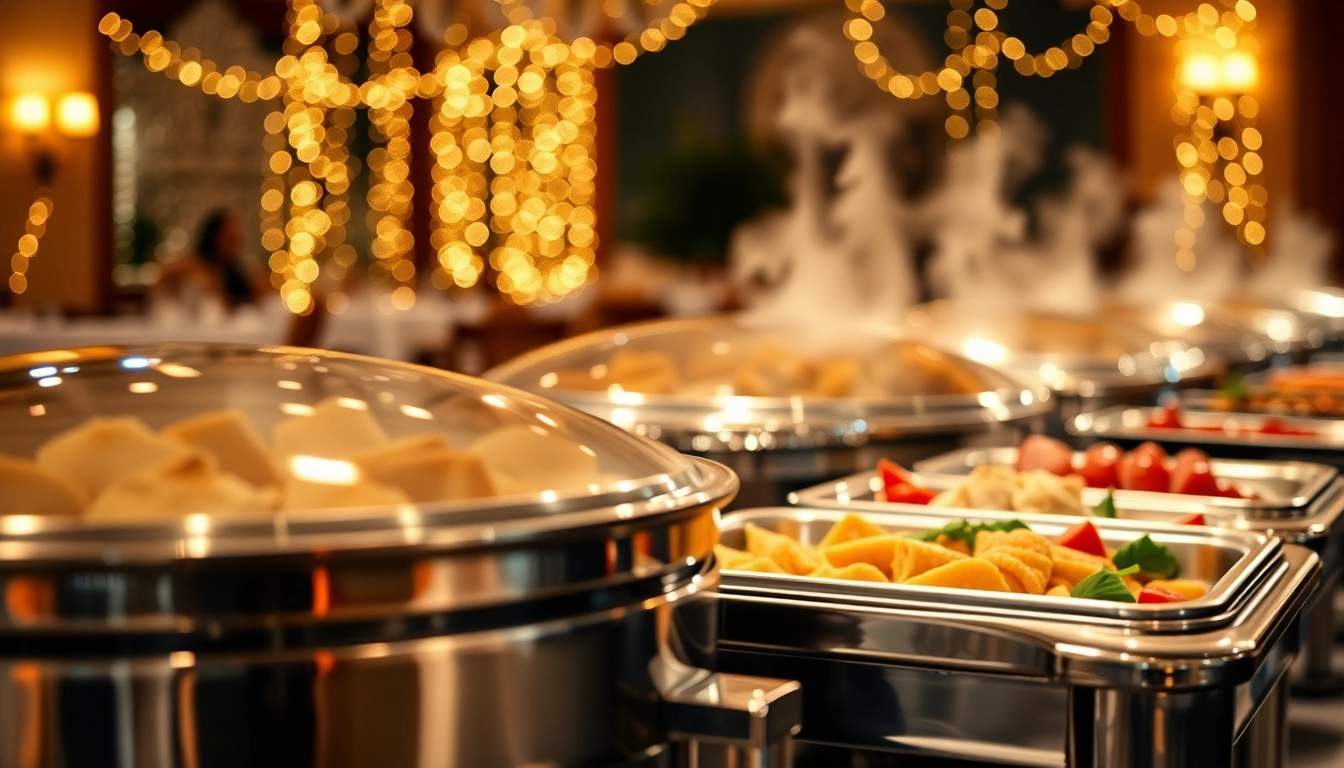
Understanding the Chafing Dish: A Comprehensive Guide
What is a Chafing Dish?
A chafing dish is a versatile serving tool often used in catering and buffet-style dining. Typically featuring a large food pan held above a heat source, chafing dishes are designed to keep food warm during events while allowing easy access for guests. Their construction optimizes both functionality and aesthetic appeal, making them an ideal choice for hosting large gatherings, parties, or any occasion where buffet service is required.
Historical Background of Chafing Dishes
The origin of the chafing dish can be traced back to ancient times when large vessels were crafted to hold heated food over a flame. The term “chafing” derives from the French word “chauffer,” which means “to heat.” Initially made from materials such as bronze or copper, these dishes evolved in design and function over time. As dining customs changed with the rise of buffet service in the 19th century, so did the chafing dish, which saw an introduction of more heat-efficient models like the water pan system. Today, they come in various designs and materials, suitable for a range of culinary contexts.
Types of Chafing Dishes Available
Chafing dishes can be classified into several categories based on their design, heating methods, and intended use. Below are the common types:
- Traditional Chafing Dishes: Usually come with a water pan and fuel source underneath. They are the most popular for events because they are cost-effective and easy to use.
- Electric Chafing Dishes: These models use electricity to maintain temperature efficiently. They are ideal for indoor events where outlets are accessible.
- Bamboo Chafing Dishes: Eco-friendly options made from natural bamboo, offering a rustic look perfect for outdoor or casual gatherings.
- Stainless Steel Chafing Dishes: Durable and easy to clean, these are great for formal events and frequently used in commercial settings.
- Buffet Servers: These are multi-compartment units that allow for a variety of dishes to be served simultaneously.
Choosing the Right Chafing Dish for Your Needs
Factors to Consider When Selecting
Choosing the right chafing dish can be pivotal for the success of your event. Here are key factors to consider:
- Size: Ensure the dish can accommodate the expected quantity of food. An inadequately sized chafing dish can lead to frequent refills, disrupting service.
- Material: Different materials provide various benefits including durability, aesthetic quality, and ease of cleaning. Stainless steel is the most common due to its durability and sleek appearance.
- Heating Method: Determine if you will need traditional fuel sources or prefer the convenience of electric chafing dishes based on your venue.
- Design: Choose a design that complements the theme of your event. A visually appealing chafing dish adds to the overall presentation.
- Budget: Determine how much you’re willing to spend. High-quality chafing dishes may cost more upfront but can save money over time with durability.
Popular Sizes and Styles Explained
Chafing dishes come in various sizes, typically ranging from 4 to 12 quarts. The following are popular sizes:
- 4-Quart: Suited for smaller gatherings or side dishes.
- 6-Quart: An average size, perfect for medium-sized groups.
- 8-Quart: Ideal for larger gatherings, commonly used for buffet style services.
- 12-Quart: Best for large events, capable of holding significant amounts of food.
Styles may also vary from classic rectangle designs to modern round and multi-compartment options, catering to different serving needs and aesthetics.
Material Matters: Stainless Steel vs. Other Options
When selecting a chafing dish, material choice is crucial. Here are common materials and their perks:
- Stainless Steel: Highly resistant to corrosion and easy to maintain, stainless steel is favorable for both home use and professional catering.
- Aluminum: Lightweight and inexpensive, aluminum dishes are great for events where portability is key, although they may not offer the same heat retention.
- Plastic: Lightweight and affordable, plastic options are available but are usually limited to disposable use and lower durability, making them less suitable for long-term use.
- Cast Iron: Excellent for heat retention and even cooking, cast iron chafing dishes can add a unique rustic charm but require proper maintenance.
Best Practices for Using a Chafing Dish
Setting Up Your Chafing Dish Correctly
The setup process is vital for ensuring a successful dining experience. Here are steps to follow:
- Choose a location: Place your chafing dish on a stable surface away from high traffic areas.
- Use water pans: Fill the water pan with warm water to create a steam effect, ensuring that your food remains moist.
- Arrange food: Place your dishes in a way that allows for easy access and avoids overcrowding.
- Cover up: If possible, use the lids during service times to help retain temperature.
How to Maintain Temperature Effectively
Keeping food at the right temperature is essential for both taste and safety. Follow these recommendations:
- Use hot water: Always preheat your water pan with hot water before placing food inside.
- Monitor heat source: Ensure that your fuel source is operational and provide enough heat to maintain food temperatures above 140°F.
- Replenish supplies: Keep extra fuel or electric setups ready to ensure continuous heating if needed.
Serving Etiquette with Chafing Dishes
Proper service etiquette not only enhances the dining experience but also ensures food safety:
- Keep food covered when not in use to avoid contamination.
- Encourage guests to serve themselves with clean utensils to prevent cross-contamination.
- Serve from the back to the front of the line to maintain a smooth flow during service.
Cleaning and Care for Long-lasting Use
Step-by-Step Cleaning Guide
Maintaining your chafing dish will extend its life and preserve hygiene. Here are the steps to follow for proper cleaning:
- Allow to cool: Before starting the cleaning process, allow the chafing dish to cool completely.
- Disassemble: Remove the food pan, water pan, and any fuel holders.
- Wash thoroughly: Use warm soapy water and a soft sponge to clean all parts. Avoid abrasive materials that could scratch the surface.
- Sanitize: Once cleaned, rinse with a sanitizing solution to eliminate bacteria.
- Dry completely: Ensure all parts are dried thoroughly to prevent corrosion.
Common Mistakes to Avoid
Many users make simple errors that can affect performance. Avoid these common mistakes:
- Not preheating: Failing to preheat the water pan can lead to lukewarm food.
- Overcrowding: Placing too much food in a single dish can hinder proper heating and serving.
- Neglecting cleaning: Not cleaning regularly can damage the chafing dish and compromise hygiene.
When to Replace Your Chafing Dish
Recognizing when to replace your chafing dish is essential for maintaining quality service. Consider replacement if:
- Significant rust or corrosion appears.
- Valves or hinges become dysfunctional.
- Structural issues compromise usability or safety.
Frequently Asked Questions About Chafing Dishes
What is the best size chafing dish for large gatherings?
A standard 8-quart chafing dish is ideal for serving large groups effectively, accommodating considerable quantities of food.
Can I use an electric chafing dish outdoors?
Yes, but ensure proper power sources and safety measures are followed in outdoor events to avoid hazards.
How do I keep food warm without compromising quality?
Use water pans filled with hot, not boiling water, to maintain an even temperature and prevent overcooking.
Are there eco-friendly options for chafing dishes?
Yes, many companies now offer biodegradable or recyclable chafing dish alternatives that are environmentally friendly.
What type of fuel is best for chafing dishes?
Chafing dishes can use gel fuel or liquid propane, which provide steady heat and are widely considered reliable options.